Iran has reportedly received a 15-point ceasefire plan from the United States, delivered through intermediaries in Pakistan, but has dismissed the proposal and ruled out direct negotiations with Washington.
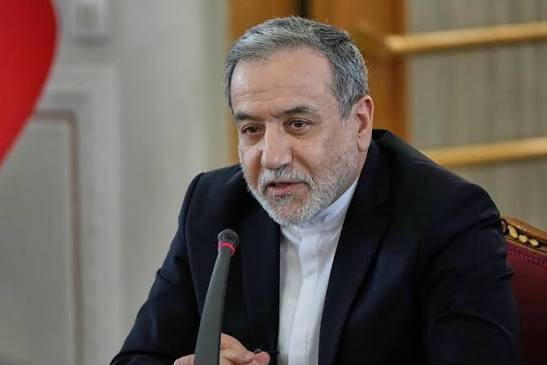
Officials in Islamabad confirmed that the proposal was shared as part of diplomatic efforts to de-escalate the ongoing Iran–Israel war. However, Tehran showed little interest in engaging with the plan.
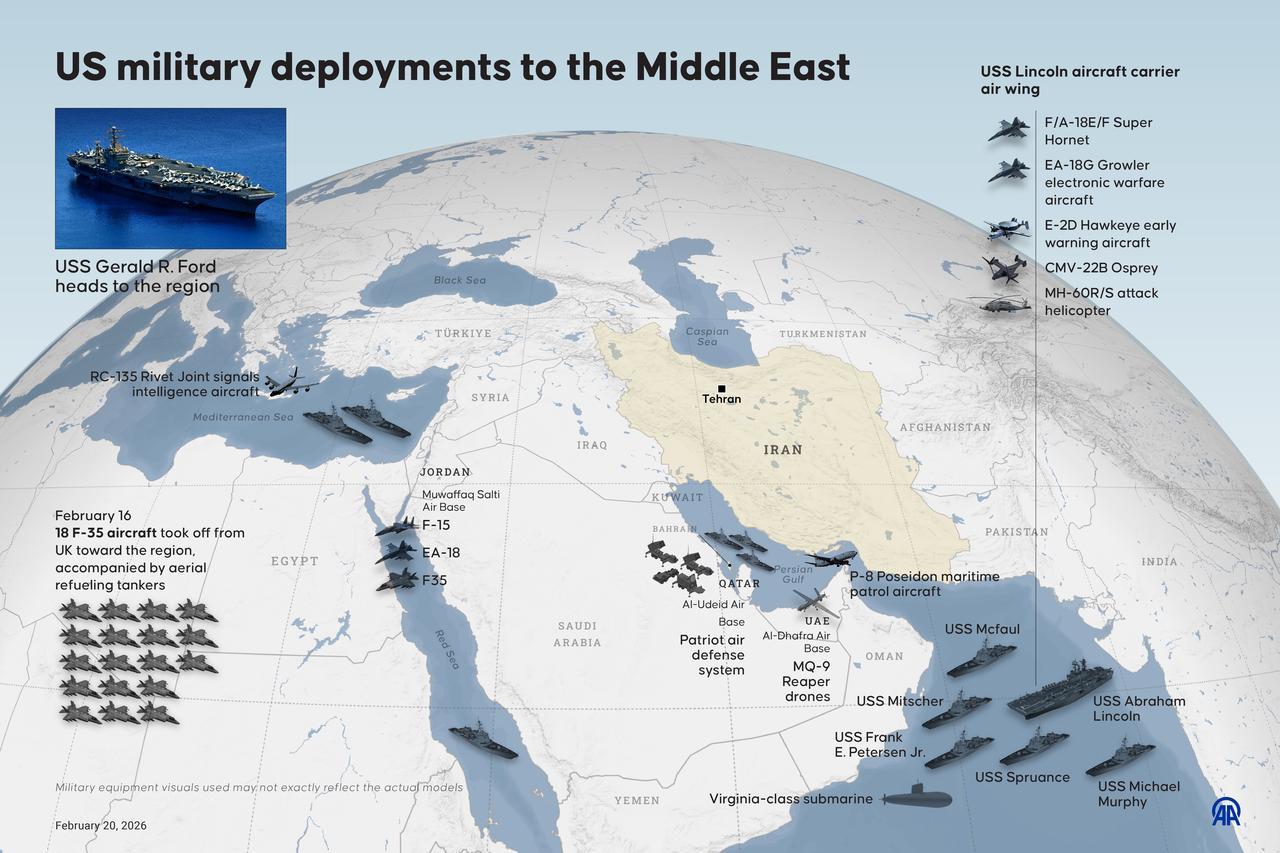
The development comes even as the United States moves additional military assets, including paratroopers, to West Asia to support forces already deployed in the region.
Tehran Dismisses Talks, Continues Military Action
Despite the ceasefire proposal, Iran’s military leadership rejected diplomatic overtures and instead intensified its attacks.
On Wednesday, Iran launched fresh strikes targeting Israel and multiple locations across the Gulf region.
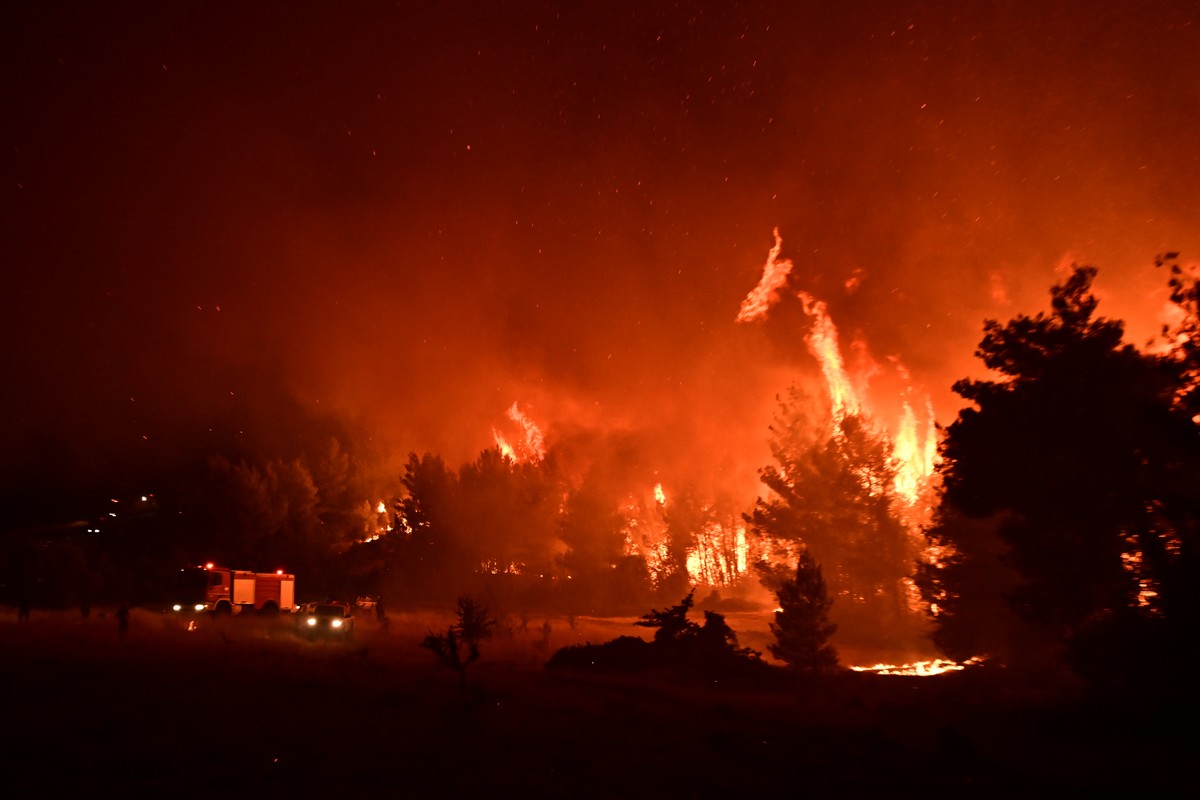
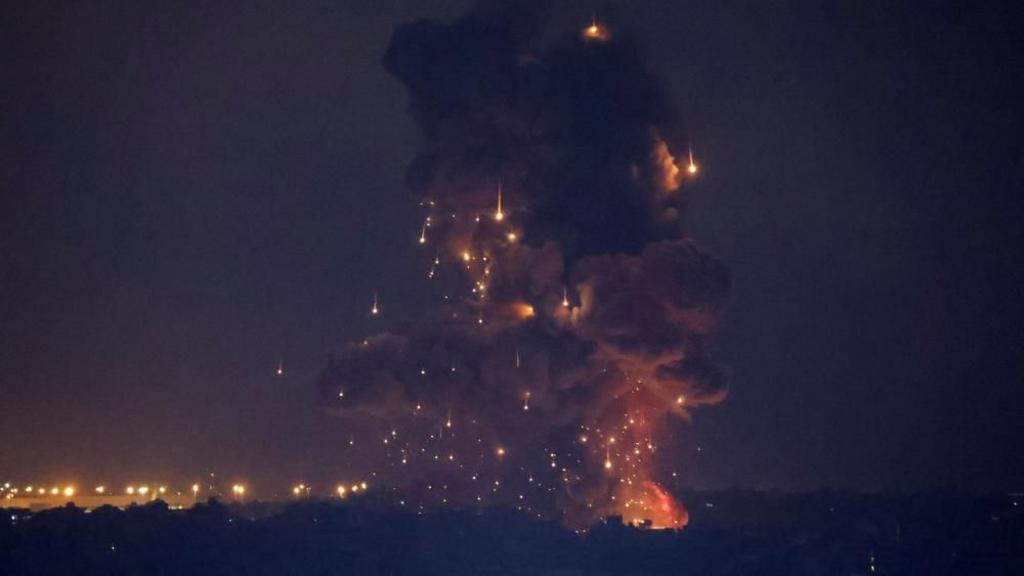
One of the most significant incidents involved an attack on Kuwait International Airport, where a massive fire broke out, sending thick black smoke into the sky and disrupting operations.
The continued strikes signal that military escalation remains Iran’s priority over negotiations, at least for now.
Israel Targets Iranian Military Infrastructure
In response, Israel has continued its air campaign against Iranian military assets.
The Israeli military confirmed that it had struck a naval cruise missile production facility in Tehran, operated under Iran’s Ministry of Defence.
According to Israeli officials:
- The facility was used to develop long-range naval cruise missiles
- These missiles are capable of striking both sea and land targets
- The strike was based on intelligence-led operations
The attack highlights Israel’s strategy of targeting Iran’s military capabilities to limit its offensive reach.
Escalation Across the Region
The conflict continues to expand beyond Iran and Israel, affecting multiple countries in the Gulf region.
Recent developments include:
- Iranian missile and drone strikes across Gulf states
- Increased U.S. military presence in West Asia
- Rising threats to critical infrastructure, including airports and energy facilities
The widening scope of the conflict has raised concerns about a broader regional war.
Diplomatic Efforts vs Ground Reality
While the United States continues to push for a ceasefire through indirect channels, Iran’s rejection underscores the gap between diplomatic efforts and battlefield realities.
Experts say that:
- Iran may be using military pressure to strengthen its negotiating position
- The U.S. is attempting to avoid a prolonged regional conflict
- Indirect diplomacy through intermediaries remains active but fragile
With Iran rejecting the ceasefire proposal and continuing its attacks, the chances of immediate de-escalation appear limited.
The coming days will be crucial in determining whether:
- diplomatic efforts gain traction
- or the conflict escalates further across the Middle East
For now, both sides remain engaged in a combination of military action and strategic signaling, keeping the region on edge.