



The Strait of Hormuz, a narrow passage connecting the Persian Gulf with the Gulf of Oman, has long been considered one of the most strategically important maritime chokepoints in the world. Nearly 20% of global oil trade passes through this strait, making it a critical artery for energy security worldwide. Recent developments have thrust this region into the international spotlight, as tensions between the United States, Iran, and Israel have escalated to alarming levels. Analysts warn that even a minor misstep in the strait could ripple across global markets, impact international shipping, and destabilize regional geopolitics.
The Spark: Israeli Airstrikes on Kharg Island
The current crisis began when Israeli forces conducted targeted airstrikes on Iranian fuel depots on Kharg Island, Iran’s primary oil storage and export hub. The strikes, which occurred in early March 2026, caused extensive damage to infrastructure and posed a serious threat to the environment and nearby civilian populations. In response, Iran’s Foreign Ministry condemned the action as “ecocide,” highlighting the environmental risks posed by fires, chemical leaks, and the destruction of key energy facilities.
Kharg Island is not only strategically important for Iran’s oil exports but also for regional energy security, as disruptions here can affect the supply of crude oil to Asia, Europe, and North America. The airstrikes have thus had immediate consequences for both geopolitical and economic stability.
US Response: Naval Escort and Strategic Coalition
Following the escalation, the United States announced plans to form a multinational coalition to escort commercial ships through the Strait of Hormuz. This measure is designed to ensure the safe passage of oil tankers and merchant vessels, which could otherwise be vulnerable to attacks or blockades.
Key details of the US-led initiative include:
-
Naval presence from multiple allied nations, providing protection to vessels transiting the strait.
-
Deployment of warships, drones, and advanced surveillance systems to monitor and respond to potential threats.
-
Diplomatic engagement with Gulf countries to encourage participation while balancing the risk of direct confrontation with Iran.
Several Gulf nations, including Saudi Arabia and the UAE, have expressed caution, reflecting their desire to avoid entanglement in a broader conflict. The coalition aims to maintain freedom of navigation in the strait, a principle upheld under international maritime law, while deterring any hostile activity.
Iranian Response: Defense and Warning
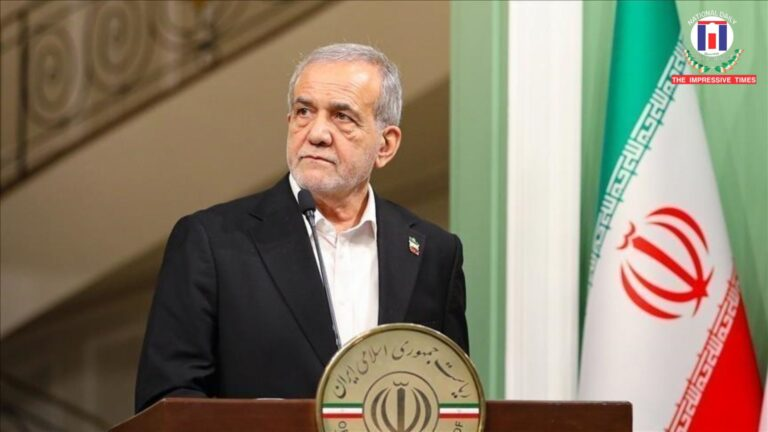
Iran has reacted strongly to the US-led convoy plan, deploying additional naval units and issuing warnings against foreign interference in its territorial waters. Tehran insists that the right to defend its sovereignty is non-negotiable and has stated that any aggressive moves near its coast could escalate into a larger regional conflict.
Iranian state media has reported heightened naval drills, including missile exercises, in the Gulf of Oman and adjacent waters. These measures signal that Iran is prepared for both defensive and retaliatory actions if provoked.
Impact on Global Energy and Economy
The crisis in the Strait of Hormuz has already had significant consequences for global oil markets:
-
Oil prices surged above $100 per barrel due to fears of disrupted supply.
-
Shipping insurance premiums have increased, reflecting the heightened risk for vessels navigating through the strait.
-
Countries reliant on Gulf oil, including India, China, and Japan, are exploring alternative routes and emergency reserves to mitigate potential shortages.
Financial markets worldwide are closely watching the situation, as prolonged instability could affect commodities, trade, and currency valuations.
Humanitarian Concerns
The escalating tensions have raised serious humanitarian issues:
-
Civilians near Kharg Island and other southern Iranian regions are reportedly evacuating in anticipation of potential strikes or conflict spillover.
-
International organizations such as the United Nations and WHO have urged all parties to exercise restraint and avoid harm to non-combatants.
-
Displacement of local populations and damage to critical infrastructure could lead to long-term social and economic challenges for the region.
Diplomatic Efforts and Global Reactions
The crisis has prompted active diplomatic engagement:
-
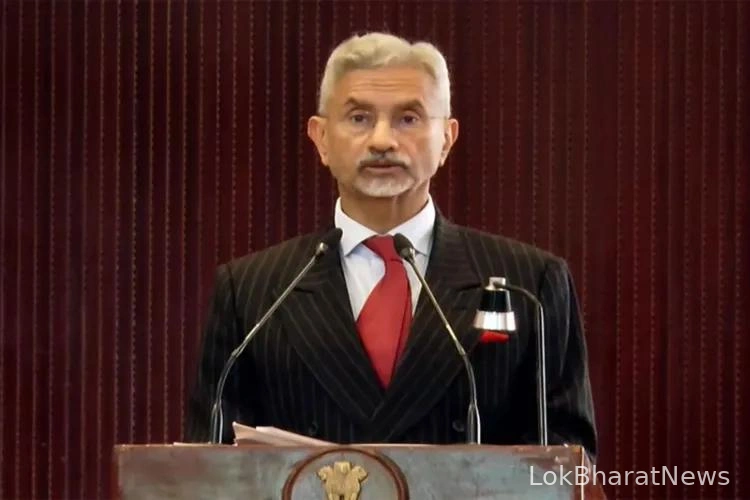
European nations, India, and Japan are urging de-escalation and emphasizing dialogue to prevent a full-scale conflict.
-
International maritime organizations have issued navigation warnings for ships transiting the Strait of Hormuz.
-
The situation has prompted renewed discussions on global energy security and the need for alternative shipping routes in case of prolonged instability.
Potential Consequences
Experts warn that the ongoing tensions could have far-reaching consequences:
-
Energy Security: Any long-term disruption could cause severe global oil supply shortages and increase dependence on alternative sources.
-
Regional Stability: Gulf countries are on high alert, and escalation could destabilize the broader Middle East.
-
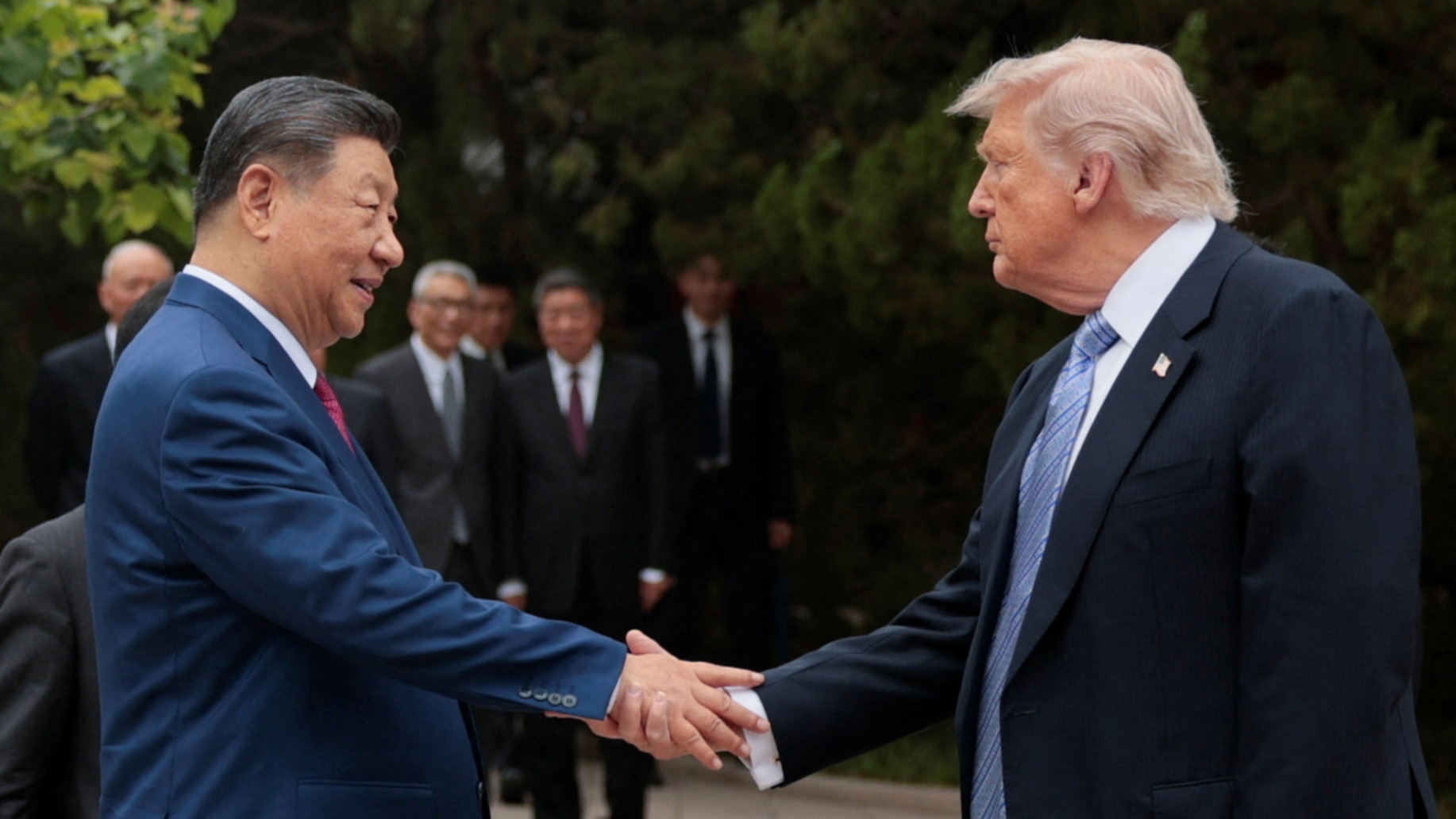
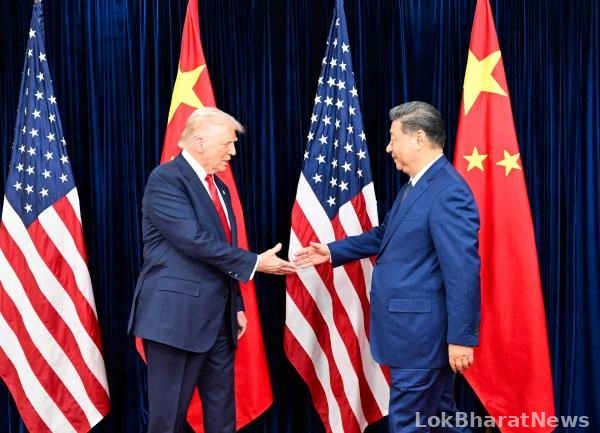
International Relations: The crisis tests alliances and diplomatic strategies, particularly between the US, Israel, Iran, and other major powers.
I started writing down one thing at the end of every day — what I actually managed to do. Not a to-do list, not plans. Just one small win. It’s surprising how quickly it shifts your perspective.
Нюанс бюджетных авиабилетов меня волнует постоянно. Езжу главным образом то в командировку то в отпуск, так что перед каждым перелётом стараюсь выбрать оптимальный тариф. Сосед посоветовал куда дешево улететь из москвы за границу — протестировал и теперь пользуюсь постоянно.
Больше всего ценю — сравнивает реально все рейсы, включая бюджетные авиалинии, которые Google Flights не показывает. В последний раз заплатил меньше на реальные деньги на авиабилете в Берлин — теперь только так.
Доброго всем ребята! Давно бронирую бюджетные рейсы по Европе. Обитаю в Питере, из-за чего задача дешевых билетов для меня крайне актуален. Проверил множество поисковиков билетов — от Trip.com до региональных агрегаторов. По факту оценил дешевые авиабилеты из москвы — потому что он показывает бюджетные авиакомпании, каких на мейнстримных сервисах обычно не показывают. Также, хорошо что можно отсортировать по любому параметру и получать сегодняшние расценки. Всем рекомендую проверить, особенно когда нужны из Еревана.
Lately I’ve been checking out different color palettes like deep summer and soft winter to pinpoint the best colors for my pale olive skin. Identifying your skin tone, whether you have a red undertone or yellow undertone skin, can genuinely impact your apparel choices. If you’re thinking about what is my color palette or want to try a free color analysis online, tools like the 16 season color analysis test and additional analyses like deep summer color analysis or soft winter color analysis can be super helpful.
For those using the Color Analysis Pro app and wondering how to cancel color analysis pro subscription, you can review detailed instructions here best colors for pale olive skin . Whether you’re trying to decide between deep summer palette or soft winter palette options, keeping a skin tone chart accessible can guide you in picking the perfect colors for fair olive skin or pale olive skin tone. Moreover, if you have fair olive skin or are browsing for best clothing colors for Asian skin tone female, these palettes and apps can be a valuable starting point.
Всем! Вот вернулся с Сицилии и не могу не написать. Это место — буквально особенная планета в составе итальянских регионов. Я брали автомобиль и осмотрели остров примерно за неделю с небольшим. Для тех кто планируете повторить Сицилию на машине — сразу скажу: такой вариант оптимальный формат увидеть остров.
Планировал заранее — мониторил блоги, находил рекомендации. Основной массив информации оказалась старой или слишком общей. Конкретики — минимум. К счастью, что перед поездкой попал на полезный ресурс про Италию, там обнаружил отличные материалы о Сицилию на машине и о Амальфитанское побережье на машине также — я планировали заехать его на обратном пути. Ещё на сайте прочитал раздел об агротуризм в Тоскане — сейчас уже мечтаю туда тоже добраться! пеший маршрут по венеции на 1 день
Сицилия превысила наши представления. Долина храмов — просто нечто: греческие постройки прямо среди деревьев, не в пример другим толп которые бывают на топовых объектах. А Чефалу — просто особенная история, в эти места можно приезжать снова.
Кто думает про Италию — посмотрите туда перед отъездом. У них реально детальные маршруты без организованных групп. Сам я теперь непременно туда захожу как только готовлю что-то новое в Италии.
If you’re discovering seasonal color analysis and trying to figure out where you fit, grasping palettes like deep summer and soft winter can be a real revelation. Many people with fair olive skin or yellow undertone skin find that deep summer or soft winter palettes present the best clothing colors to suit their tone. Using tools like the color analysis app or taking a 16 season color analysis quiz can enable you to identify your ideal color palette, whether it’s the deep summer palette or soft winter palette. For those unsure about “what season am I,” free color analysis tests online offer an easy starting point.
On a hands-on note, if you’ve tried Color Analysis Pro and are in need of how to cancel color analysis pro subscription without complications, there are easy-to-follow step-by-step guides available online [url=https://freecoloranalysis.org]pale olive skin color palette[/url] . Also, if you want to learn more, understanding differences like red undertone skin vs. pale olive skin tone through a skin tone chart can genuinely elevate your choices. From deep summer color celebrities to the best colors for pale olive skin, color analysis can elevate your wardrobe in a remarkable way.
Привет всем на форуме! Буквально на прошлой неделе прилетел из немецкого путешествия и решил написать.
Про берлинское пиво — начнём с главного! Шутка, но пиво там отличное. По факту, Берлин вообще интересен не только баром: Берлинский дворцовый замок — масштабный и красивый музей. Музейные программы в самом деле отличные — много всего для тех, любит историю.
отмена ежегодного праздника в потсдамских дворцах
Ещё заехал в Дюссельдорфе — блошиный рынок дюссельдорф адрес определил заблаговременно, барахолка огонь: масса всякого добра задёшево. Лучшие места в германии чтоб увидеть новогодний фейерверк тоже попал — незабываемо. Как сохранить природу германии — отдельный разговор: замки возле франкфурта и парки германии — это про природу тоже. Хороший ресурс для путешественников по Германии — вот эти ребята на holidaygid5.ru — рекомендую.