Middle East War Update 2026: Global Oil Prices, Shipping Routes, and Energy Security Under Pressure
Introduction
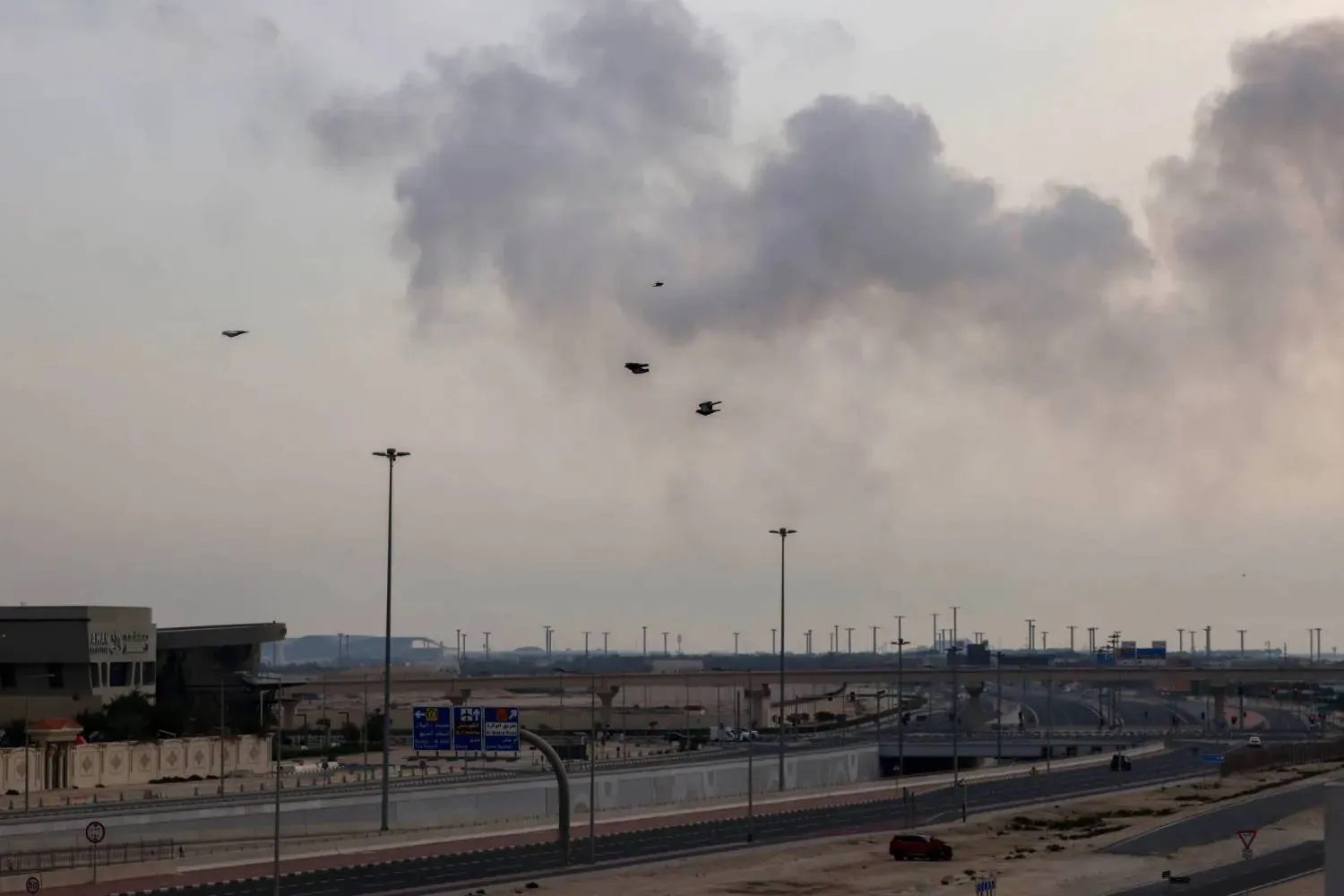
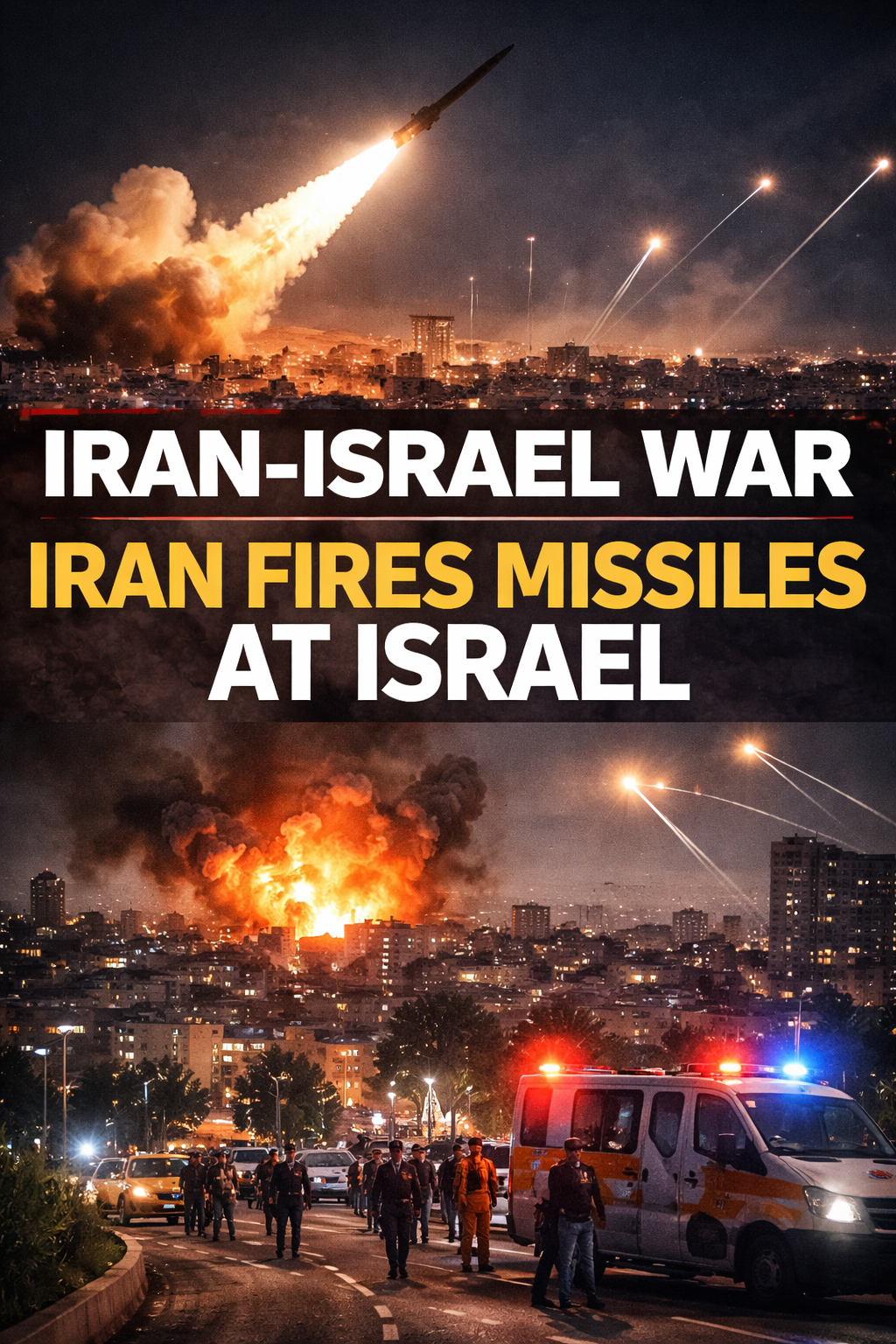
The ongoing conflict in the Middle East has now entered its 11th day, with continuous military strikes and counter-attacks reported across several areas. The situation remains extremely tense as both sides continue their operations, raising concerns about further escalation in the region.
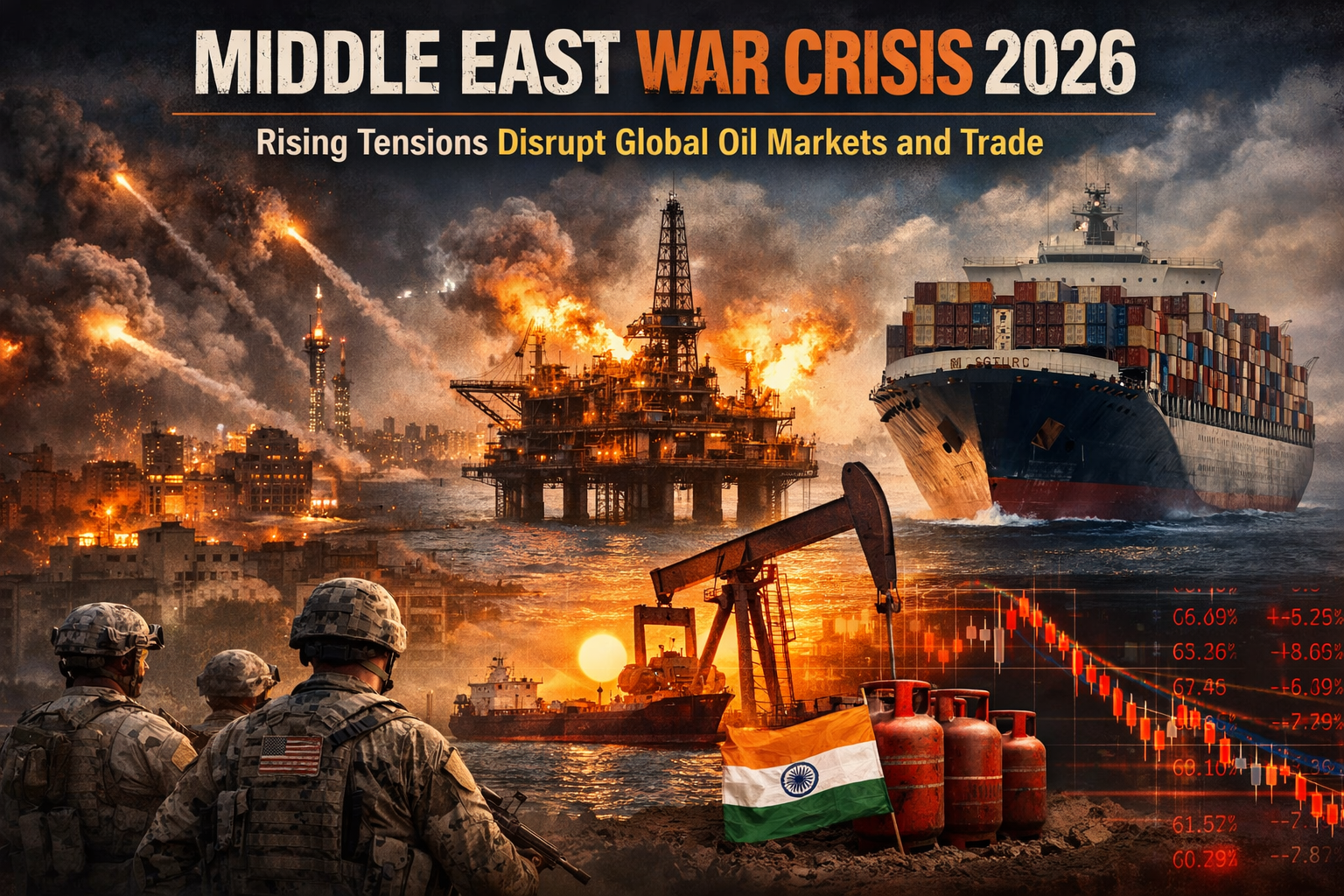
Experts warn that the conflict is no longer limited to regional security issues. It is now affecting global energy markets, international trade routes, and national fuel policies, making it one of the most closely monitored geopolitical developments of 2026.
Rising Military Tensions in the Region
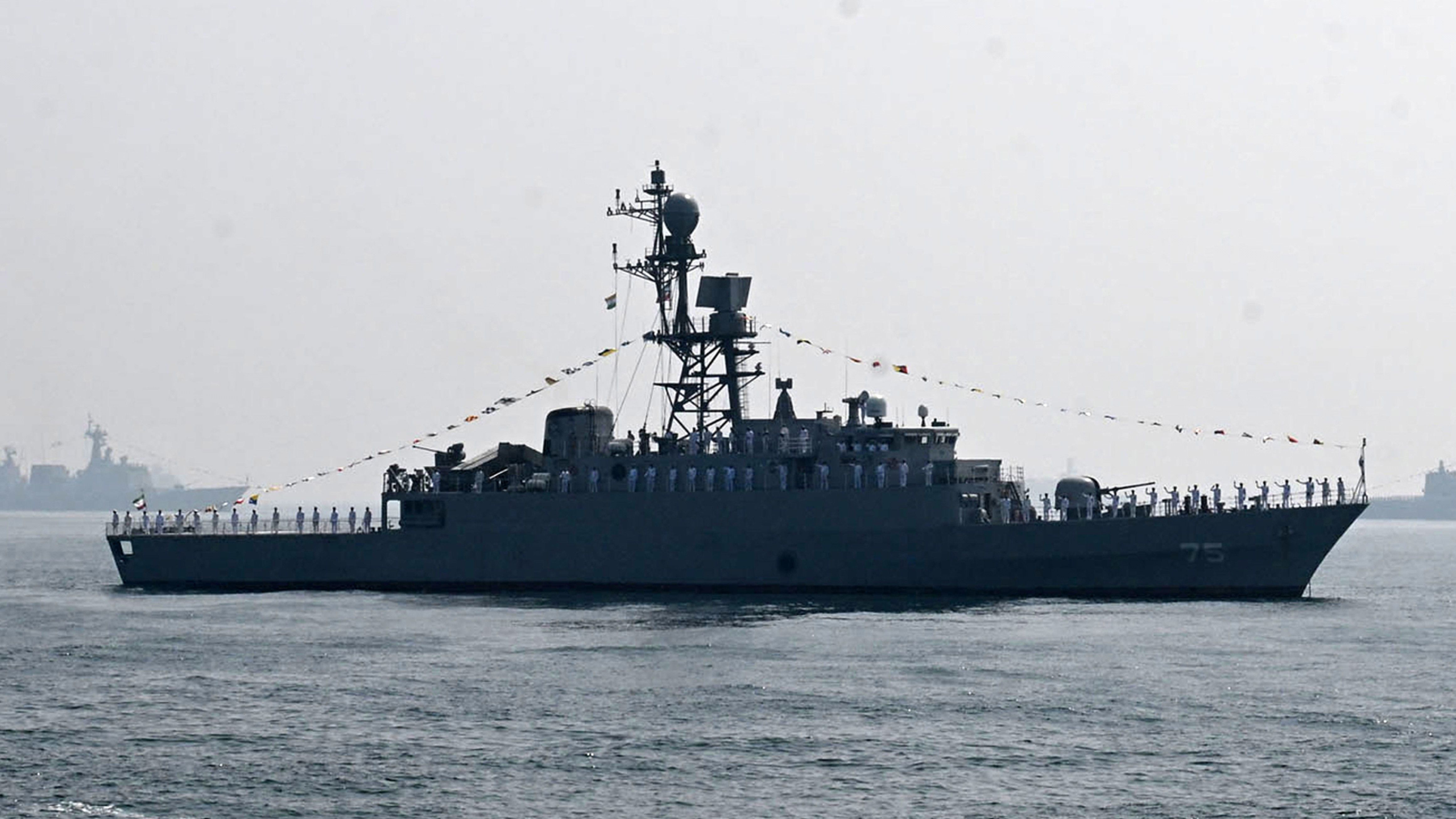
Military activity across several parts of the Middle East has intensified over the past few days. Both sides are continuing strategic operations, including air strikes and defensive counter-measures.
Security analysts say the situation could become even more complicated if additional regional powers become involved. As a result, global leaders are closely monitoring developments and calling for diplomatic solutions.
Casualties Highlight the Human Cost of the Conflict
Recent reports confirm that eight U.S. military personnel have lost their lives since the conflict began. This tragic development highlights the growing human cost of the war and reflects the seriousness of the situation on the ground.
Military experts believe that if the conflict continues to expand, the number of casualties could increase further, raising humanitarian concerns worldwide.
Global Oil Markets React to the Crisis
The conflict is also creating significant instability in the global energy market. Prices of major oil benchmarks, including Brent Crude Oil, have shown strong fluctuations in recent days.
Market analysts say uncertainty increased after statements from Donald Trump regarding how long the war might continue. Such comments have added to investor concerns and increased volatility in global markets.
Oil traders are now watching Middle East developments closely because the region is responsible for a large share of global oil production and supply routes.
Shipping Industry Faces Major Disruptions
International trade is being affected as well. The world’s largest container shipping company, Mediterranean Shipping Company, has temporarily suspended certain cargo shipments from Gulf ports due to growing security risks linked to the conflict.
This decision could affect global supply chains, particularly in sectors that rely heavily on shipments passing through Middle Eastern sea routes.
Shipping analysts warn that if disruptions continue, transportation costs and delivery delays could increase worldwide.