


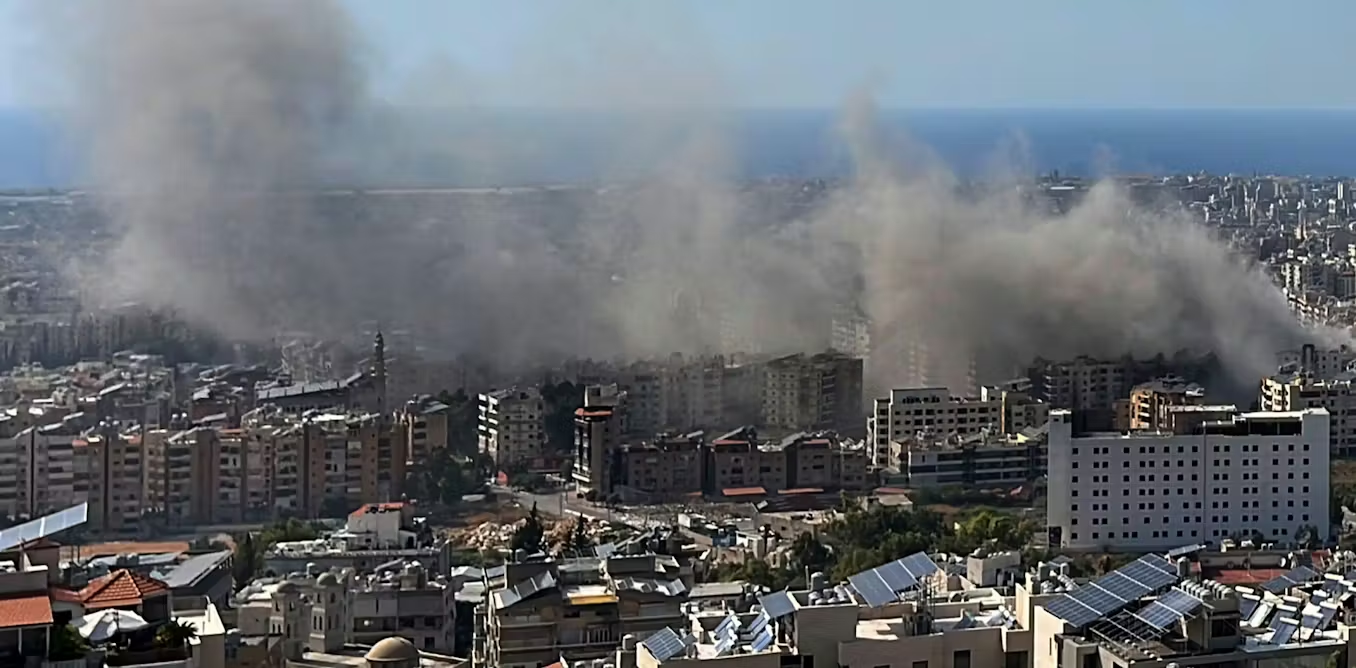
Escalating Middle East Crisis: A Growing Global Concern
The geopolitical climate in the Middle East is becoming increasingly tense as relations between the United States and Iran continue to deteriorate. What began as policy disagreements and strategic rivalry has gradually transformed into a complex and high-risk situation. The region has always held global importance due to its political influence and energy resources, which is why even limited instability attracts international attention.
Over the years, both nations have maintained a cautious yet competitive stance. However, recent developments suggest a shift toward a more direct and assertive approach. This transition has raised concerns among global leaders, as the chances of miscalculation or unintended escalation have increased significantly.
Key Developments
In recent weeks, multiple incidents have highlighted the seriousness of the situation. Strategic locations such as energy facilities, shipping routes, and transport networks have reportedly been affected. These actions signal a more aggressive posture, moving beyond diplomatic disagreements into practical confrontation.
Such developments are critical because they influence not only regional security but also global confidence. When infrastructure linked to energy and logistics is disrupted, it creates uncertainty that spreads far beyond the immediate area. The frequency and intensity of these events suggest that the situation is evolving rapidly, leaving limited time for preventive action.
Economic Effects
The Middle East plays a central role in the global energy system, making it highly sensitive to political instability. Any disruption in oil production or transportation can lead to price fluctuations across international markets. Recent tensions have already caused signs of volatility, affecting industries and economies worldwide.
Countries that rely heavily on imported fuel are particularly vulnerable. Rising energy costs can lead to inflation, increased production expenses, and slower economic growth. In addition, uncertainty in trade routes can disrupt supply chains, creating challenges for businesses and governments alike. This interconnected impact highlights how regional conflicts can quickly influence the global economy.
Diplomatic Efforts
Amid growing concerns, the United Nations and other international bodies have stepped forward to encourage peaceful resolution. Calls for restraint, dialogue, and negotiation have become more frequent, reflecting the urgency of the situation.
Diplomatic channels are actively being used to reduce misunderstandings and prevent further escalation. Several nations are attempting to mediate by promoting communication between the involved parties. While progress may be slow, these efforts remain essential in maintaining hope for stability. History has shown that sustained dialogue, even in difficult circumstances, can eventually lead to meaningful outcomes.
Risk of Expansion
One of the most serious concerns is the possibility of the conflict expanding beyond its current scope. The Middle East is a region with multiple alliances and strategic interests, which means that any escalation could draw in additional countries. This would transform a bilateral issue into a broader regional crisis.
Such a scenario could have far-reaching consequences, including increased military involvement, humanitarian challenges, and long-term geopolitical shifts. The presence of global powers and existing rivalries further complicates the situation, making it difficult to predict the direction of future developments.
Political Impact
The ongoing crisis is not limited to international relations; it is also influencing domestic politics in various countries. Governments are under pressure to respond in a way that ensures national security while avoiding unnecessary escalation. This balancing act requires careful planning and strategic decision-making.
Public opinion, media coverage, and political debates are shaping how leaders approach the situation. Citizens are increasingly aware of global events, and their expectations influence government actions. As a result, political leaders must consider both international responsibilities and domestic priorities while addressing the crisis.
Future Outlook
Looking ahead, the situation remains uncertain. The path forward will depend on how effectively diplomatic efforts are managed and whether all parties are willing to prioritize stability over confrontation. Small developments could have significant consequences, making continuous monitoring essential.
Experts believe that timely intervention and constructive dialogue can still prevent the situation from worsening. However, delays or missteps may increase risks, making resolution more difficult. The coming days and weeks will play a crucial role in shaping the outcome.
Conclusion
The rising tensions between the United States and Iran reflect the complex nature of modern global politics. A conflict in one region can quickly influence economies, security systems, and international relations across the world.
This situation serves as a reminder of the importance of diplomacy, cooperation, and responsible leadership. As global attention remains focused on the Middle East, the priority for all stakeholders is clear: to prevent escalation and work toward a stable and peaceful resolution.


