Iran-US-Israel Conflict Enters 19th Day: Gulf Tensions Rise, Oil Prices Hit $153
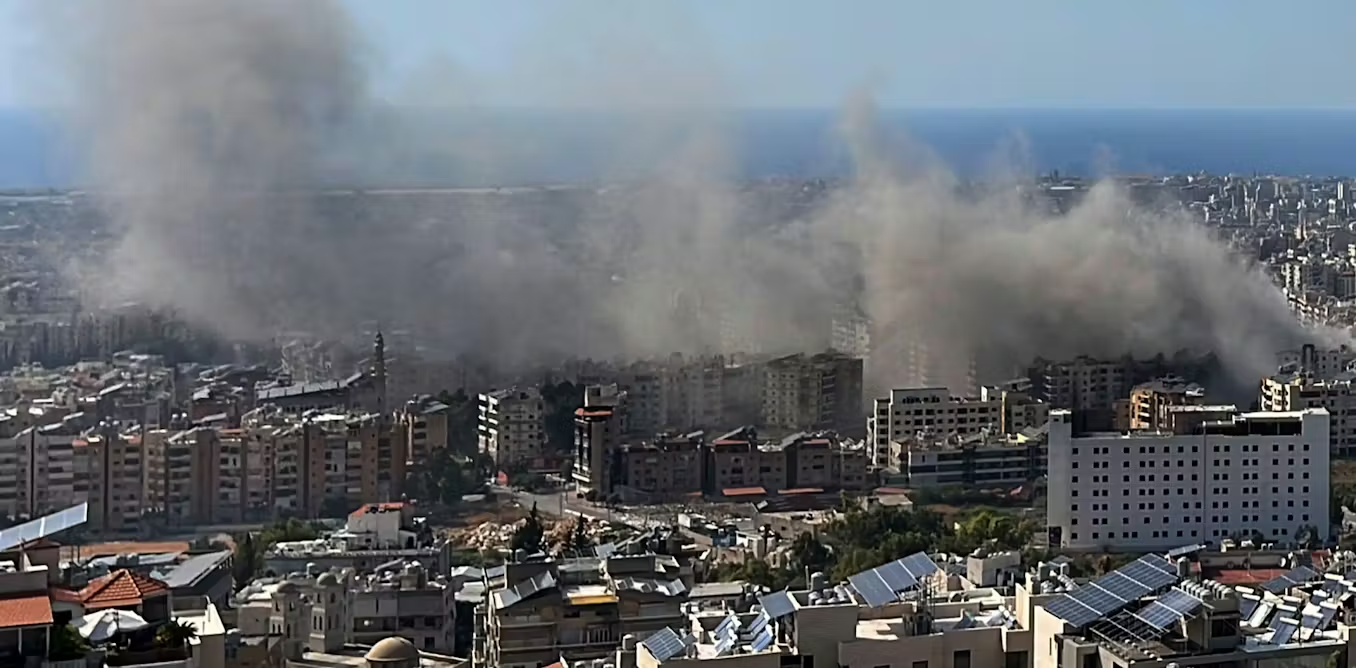
The Iran-US-Israel conflict has now reached its 19th consecutive day, showing no signs of slowing down. Since February 28, major cities in Iran—including Tehran, Tabriz, Shiraz, and Chabahar—have been targeted in precision strikes, with over 3,000 strategic sites reportedly destroyed. These attacks have significantly weakened Iran’s military infrastructure and escalated tensions across the Gulf.
Tehran Under Airstrikes: Senior Officials Killed
Israel has conducted air raids on Tehran, reportedly killing top Iranian security official Ali Larijani and a senior military commander. These developments mark one of the most serious escalations in recent Middle Eastern history, drawing global attention and concern.
Iran Strikes Back: UAE and Gulf Countries Targeted
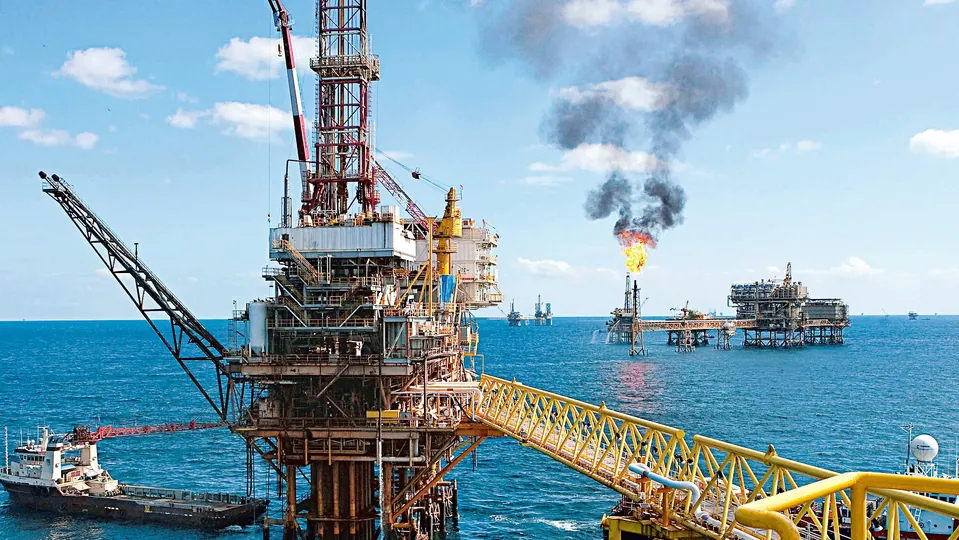
In retaliation, Iran launched missiles near Dubai Airport and carried out drone strikes on UAE oil facilities. Reports suggest that Saudi Arabia, Kuwait, and Bahrain have also been affected by Iranian attacks, increasing instability in the region. The conflict has caused crude oil prices to soar to $153 per barrel, sparking worries about energy supply and global economic repercussions.
Humanitarian Impact: Civilians Stranded
The ongoing war has put civilians at risk. Several Indian citizens are stranded near the Azerbaijan border, unable to return home due to heightened security concerns. Authorities are monitoring the situation closely to provide safe passage and assistance where possible.
US and Global Responses
Despite repeated statements from US President Donald Trump that the war will soon end, military operations continue unabated. In a recent development, Joe Kent, US counterterrorism chief, resigned, noting that although there is no direct threat from Iran to the United States at present, the Gulf remains a volatile and unpredictable zone.
Economic and Geopolitical Consequences
Experts warn that if the conflict continues, it could have far-reaching consequences for global trade, energy markets, and diplomatic relations. Oil shipments through critical channels like the Strait of Hormuz are at risk, and prolonged unrest could further destabilize the Middle East, affecting not just the region but economies worldwide.
Outlook: No End in Sight
Military analysts suggest that both sides are likely to continue strategic strikes, and international diplomacy has yet to bring meaningful progress. The world watches anxiously, aware that any escalation could trigger wider regional instability.