US–Iran War Day 19: Airports and Energy Infrastructure Targeted, Tehran Issues Stern Warning
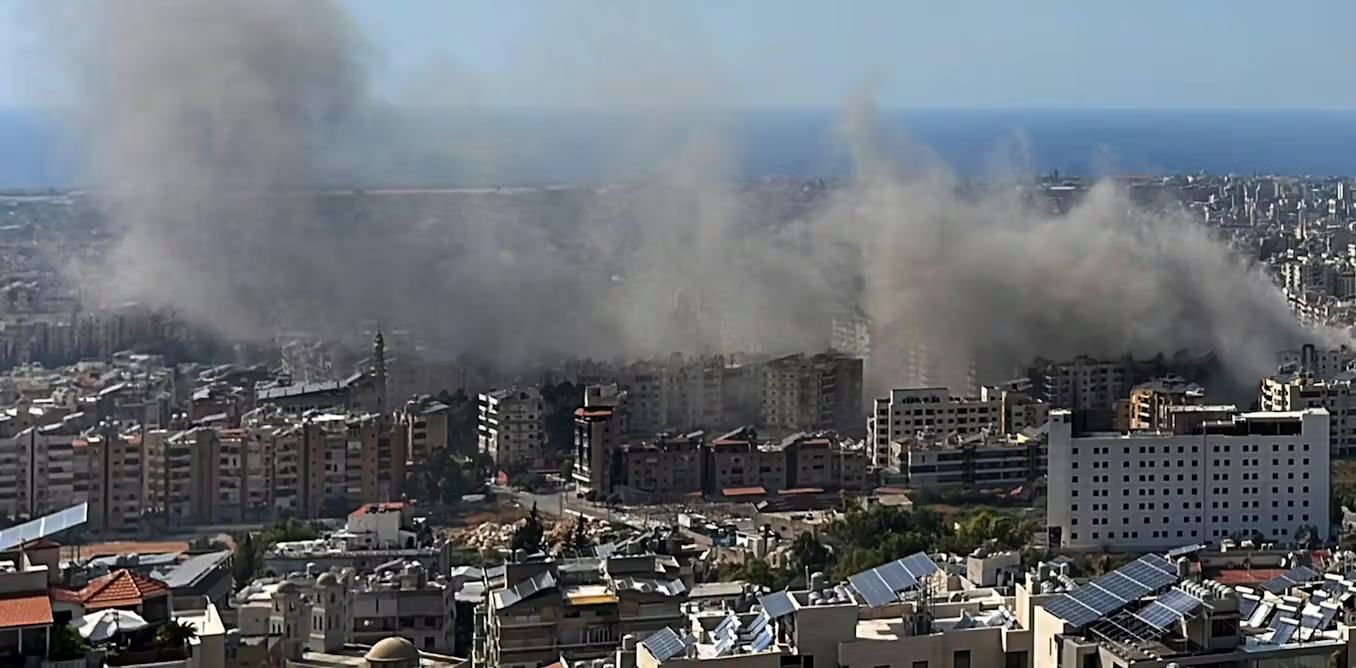
The intensifying conflict between the United States and Iran has entered its 19th day, marking a dangerous phase of escalation. What began as a series of strategic confrontations has now evolved into a sustained exchange of high-impact strikes, with both sides targeting critical infrastructure. The latest developments have heightened global anxiety, as attacks on airports and energy facilities signal a broader and more calculated military approach.
Widespread Strikes Hit Airports and Energy Sites
In the latest wave of operations, multiple airports and key energy installations have come under heavy attack. These strikes have disrupted civilian and military aviation, forcing flight cancellations and grounding aircraft in several regions. Damage to runways, control towers, and fuel storage units has significantly reduced operational capacity.
At the same time, major oil refineries, gas processing plants, and pipeline networks have been targeted. These facilities play a crucial role in regional and global energy supply, and their disruption is already creating uncertainty in international markets. Experts believe the focus on such infrastructure is a strategic move to weaken economic stability and reduce the opponent’s ability to sustain prolonged operations.
The scale and precision of these attacks indicate advanced planning and intelligence coordination, highlighting the seriousness of the ongoing conflict.
Strategic Shift in Warfare Tactics
Military analysts observe a clear shift in tactics, moving away from isolated strikes toward systematic disruption of essential systems. Instead of focusing solely on military bases, both sides appear to be targeting infrastructure that supports long-term operational strength.
By hitting transportation and energy networks, the objective seems to be creating internal pressure, limiting mobility, and affecting supply chains. This approach not only weakens defense capabilities but also impacts civilian life, increasing the overall cost of the conflict.
Such tactics reflect a modern warfare strategy where economic and logistical damage can be as impactful as direct military confrontation.
Iran Issues Strong Retaliation Warning
In response to the latest strikes, Iranian authorities have issued a firm and uncompromising warning. Officials have stated that continued attacks will trigger a powerful and decisive retaliation. The message emphasized that Iran is prepared to defend its sovereignty and respond at a time and place of its choosing.
The tone of this warning suggests a potential escalation, with the possibility of counter-strikes targeting strategic and sensitive locations. This has raised concerns among global observers, as any retaliation could further intensify the conflict and draw in additional regional players.
The statement also reflects increasing pressure within Iran to respond strongly, both for national security and domestic morale.
Rising Impact on Global Energy Markets
One of the most immediate consequences of these developments is the growing instability in global energy markets. Disruptions to oil and gas infrastructure are creating fears of supply shortages, leading to fluctuations in crude oil prices.
Key shipping routes and energy corridors are now under heightened risk, which could further strain international trade. Countries heavily dependent on energy imports are closely monitoring the situation, as prolonged disruptions may lead to increased fuel costs and economic challenges.
Financial markets have also shown signs of volatility, reflecting investor concerns over a potential long-term crisis.
Civilian and Regional Implications
Beyond military and economic impacts, the conflict is increasingly affecting civilian populations. Flight disruptions, fuel shortages, and rising uncertainty are creating challenges for daily life in affected areas.
Neighboring countries are also feeling the pressure, as they prepare for potential spillover effects. Increased security measures, emergency planning, and diplomatic engagement are being observed across the region.
Humanitarian concerns are gradually emerging, with fears that continued escalation could lead to displacement and broader instability.
Diplomatic Efforts and Global Reactions
The international community has responded with growing urgency, calling for restraint and immediate de-escalation. Several nations and global organizations are actively engaging in diplomatic efforts to prevent the situation from worsening.
Despite these efforts, progress remains limited. The continued exchange of strikes indicates that both sides are prioritizing strategic objectives over negotiations, at least in the current phase of the conflict.
Global leaders are emphasizing the need for dialogue, warning that further escalation could have far-reaching consequences beyond the immediate region.
What to Expect Next
As the conflict moves forward, the risk of escalation remains high. The strong rhetoric, combined with ongoing strikes, suggests that tensions are unlikely to ease in the near term.
Key factors to watch include:
-
Possible retaliatory actions from Iran
-
Additional strikes on critical infrastructure
-
Involvement of other regional or global powers
-
Developments in diplomatic negotiations
The coming days will be crucial in determining whether the conflict stabilizes or expands into a wider crisis.