Iran Attacks World’s Largest Gas Hub in Qatar
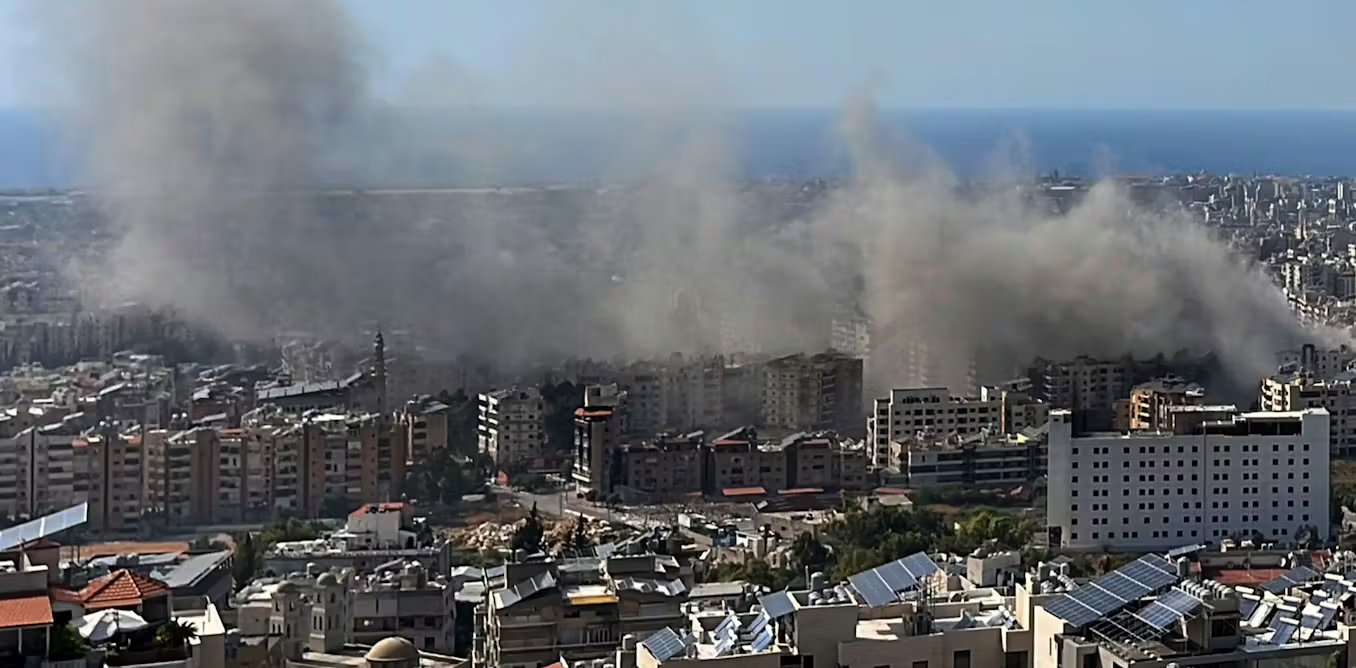
Iran has launched missile strikes on Ras Laffan Industrial City in Qatar, one of the world’s largest liquefied natural gas (LNG) hubs, marking a major escalation in the ongoing Middle East conflict.
The attack caused fires and damage to key energy infrastructure, raising serious concerns about global energy supply and stability.
Ras Laffan plays a critical role in global LNG exports, making it a vital node in the international energy system.
Why This Gas Hub Is So Important
Qatar is among the world’s largest exporters of LNG, and Ras Laffan is its main production and export center.
-
It supplies a significant share of global natural gas
-
It supports energy needs across Asia and Europe
-
It is central to global energy trade routes
Any disruption here directly impacts global gas availability and prices.
How It Affects India
1️⃣ Heavy Dependence on Qatar
India imports a large portion of its LNG from Qatar—around 40% of its needs.
This means any disruption at Ras Laffan can directly affect India’s domestic energy supply.
2️⃣ LPG and PNG Supply Pressure
The attack comes at a time when India is already facing LPG supply disruptions due to shipping issues in the Strait of Hormuz.
Possible impacts include:
-
Shortage of cooking gas (LPG)
-
Reduced piped natural gas (PNG) supply
-
Delays in cylinder deliveries
3️⃣ Rising Energy Prices
Global oil and gas prices have surged after the attacks.
For India, this could mean:
-
Higher LPG cylinder prices
-
Increased electricity costs
-
Rising inflation
4️⃣ Industrial and Economic Impact
Industries that depend on gas—such as fertilizers, power plants, and manufacturing—may face disruptions.
Experts warn this could lead to:
-
Slower industrial output
-
Increased production costs
-
Pressure on economic growth
Bigger Global Impact
The attack signals a dangerous shift in the conflict, with energy infrastructure becoming a direct target.
If disruptions continue:
-
Global gas shortages may worsen
-
Oil prices could rise further
-
Supply chains may be affected worldwide
The situation is being closely monitored as tensions remain high across the Gulf.
What Happens Next?
India is expected to:
-
Increase domestic production
-
Explore alternative suppliers
-
Prioritize household gas supply
However, if the conflict continues, energy security could remain under pressure in the coming weeks.