Indian Navy Escorts LPG Tankers in Gulf of Oman Amid Rising Geopolitical Tensions
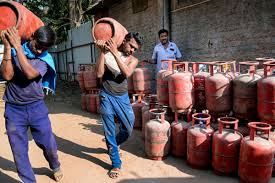
The Indian Navy successfully escorted two Indian LPG tankers, Shivalik and Nanda Devi, through the Gulf of Omanon 14 March 2026, ensuring the safe passage of essential fuel supplies to India. The tankers are carrying a combined 92,700 metric tonnes of liquefied petroleum gas, critical for India’s domestic energy needs. This operation highlights India’s commitment to protecting its commercial shipping in strategically sensitive maritime zones.
A Strategic Move for Energy Security
The Strait of Hormuz, a narrow waterway connecting the Persian Gulf to the Gulf of Oman, is one of the most crucial chokepoints for global oil and gas shipments. Any disruption in this region can significantly impact international trade and energy prices.
India, heavily reliant on imports through this route, has maintained a strong naval presence to secure its shipping interests. This latest escort operation demonstrates India’s proactive approach in safeguarding its vessels against potential threats arising from escalating regional tensions.
Naval Assets Involved
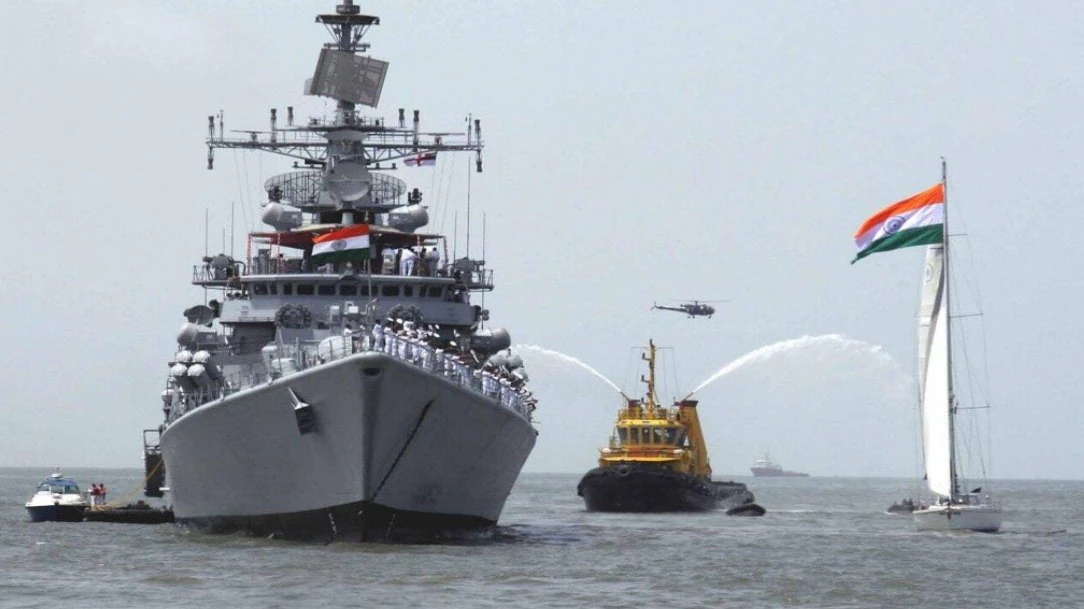
The escort mission featured a Project 15 destroyer, accompanied by an MH-60R helicopter, among at least three Indian Navy vessels strategically deployed in the Gulf. Footage from social media confirmed the operation, showing warships flanking the commercial tankers to provide protection against possible attacks or disruptions.
Such operations are part of Operation Sankalp, an ongoing mission since 2019, which ensures safe navigation of Indian vessels across the Persian Gulf, Gulf of Oman, and Gulf of Aden.
Diplomatic Coordination Ensures Safe Passage
This escort followed a high-level discussion between Indian Prime Minister Narendra Modi and Iranian President Dr. Masoud Pezeshkian on 12 March 2026, emphasizing the safe transit of Indian nationals and goods. The talks reportedly helped mitigate risks for Indian ships, following earlier incidents where Iranian attacks resulted in casualties among Indian sailors.
Past Iranian Naval Visits and Repatriation Efforts
India has previously engaged in humanitarian and diplomatic coordination with Iran. Earlier this year, India allowed three Iranian naval vessels to dock in Kochi, facilitating safe harbor and logistics support. Among them, the frigate IRIS Dena was sunk off Sri Lanka in a regional attack, while other vessels successfully docked in Kochi and Colombo. India assisted in repatriating stranded Iranian nationals, including diplomats and crew, while Sri Lanka returned the remains of 84 Iranian sailors who lost their lives in the attack.
Current Maritime Deployment
As of now, 22 Indian Navy vessels are stationed west of the Strait of Hormuz, maintaining vigilance over the waters. The Navy has also recently escorted the crude oil tanker Jag Laadki, further reinforcing India’s maritime security posture in the Gulf.
By ensuring the safe passage of energy shipments, India is protecting its domestic fuel supply, demonstrating naval readiness, and asserting its strategic presence in a region increasingly marked by geopolitical uncertainty.
Significance for India and Global Trade
This operation is more than a routine escort; it is a strategic statement. With tensions in the Persian Gulf escalating, the Indian Navy’s actions highlight the importance of energy security, commercial shipping protection, and regional stability. Safe transit of LPG and crude oil is vital for India’s domestic economy, industrial growth, and energy consumption, directly impacting millions of households across the country.
Looking Ahead
With Operation Sankalp in effect and Indian warships actively patrolling critical maritime zones, the country aims to mitigate risks posed by geopolitical conflicts. As the Gulf of Oman continues to be a hotspot of strategic importance, such naval operations will play a key role in safeguarding India’s interests and ensuring uninterrupted energy supply.