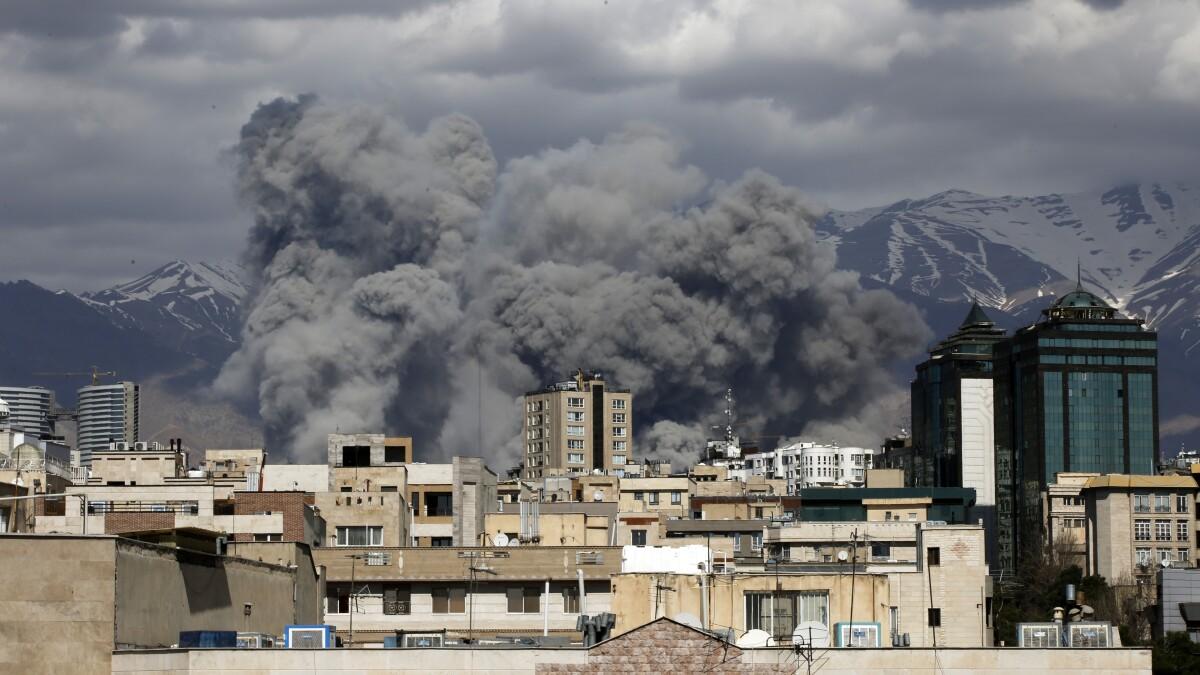
The conflict between Iran and the United States entered a dangerous new phase on Wednesday, with both countries launching fresh military attacks. The latest exchange marked the fifth straight day of US strikes on Iranian military targets, while Tehran responded with missile and drone attacks across West Asia.
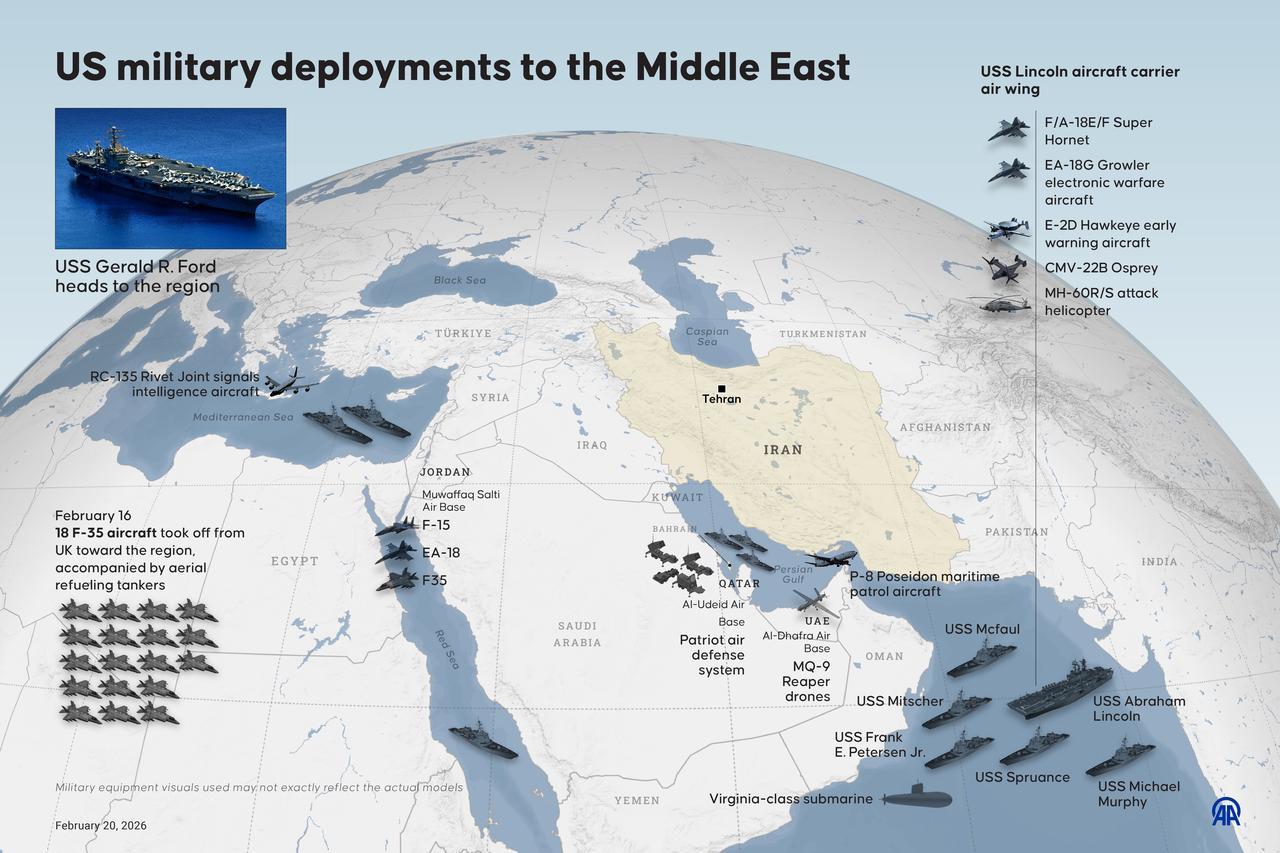
The continuing confrontation has heightened fears of a wider regional war. It has also raised fresh concerns over global energy supplies, as the Strait of Hormuz remains at the centre of the crisis.
US Expands Military Campaign
The US military said it carried out another wave of strikes targeting Iranian missile sites, coastal defence systems and military infrastructure. According to US Central Command, the operation was intended to weaken Iran’s ability to threaten commercial shipping in the Strait of Hormuz.
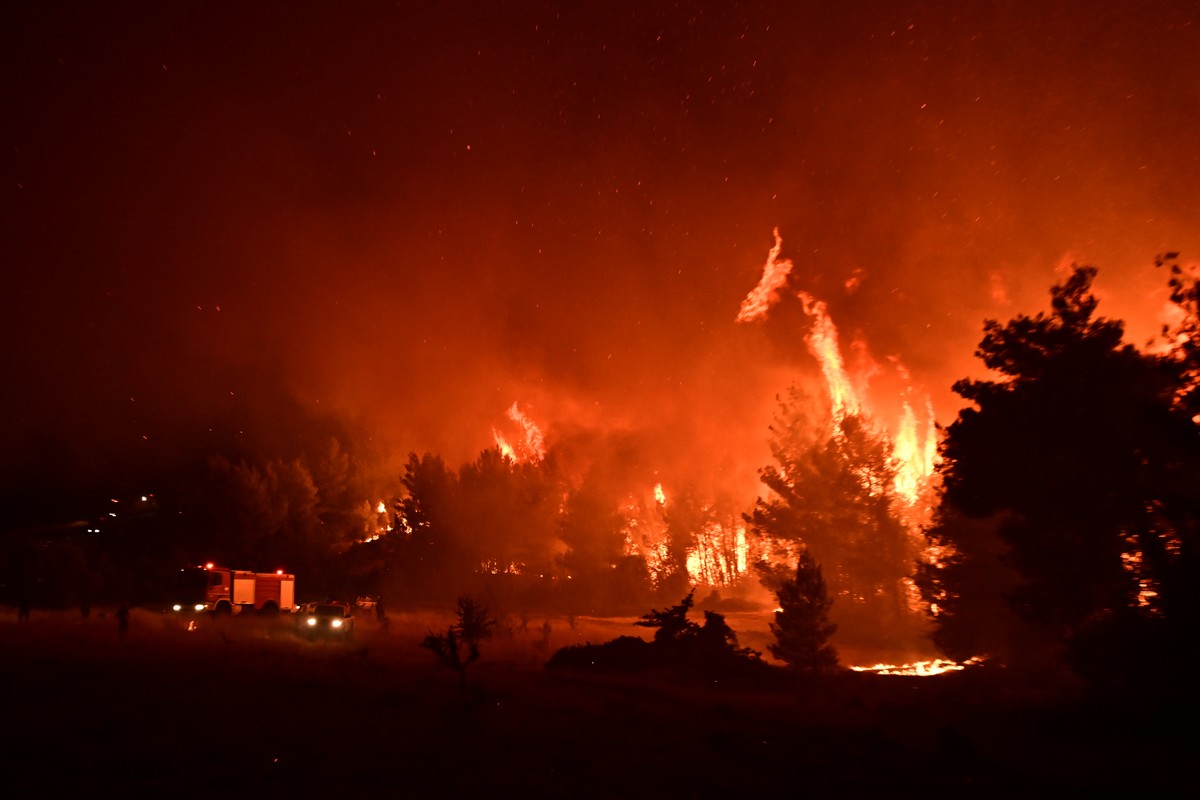
Explosions were reported from several parts of Iran after the strikes. While Washington described the attacks as defensive measures, they represent one of the most intense phases of the military campaign so far.
Also Read: ENG vs IND 1st ODI: Gill, Axar Star as India Take 1-0 Series Lead
Iran Responds With Missile and Drone Attacks
The Iran US conflict escalated further as Tehran launched fresh missile and drone strikes targeting US-linked military positions and regional assets. Iranian officials said the attacks were a direct response to the latest American airstrikes.
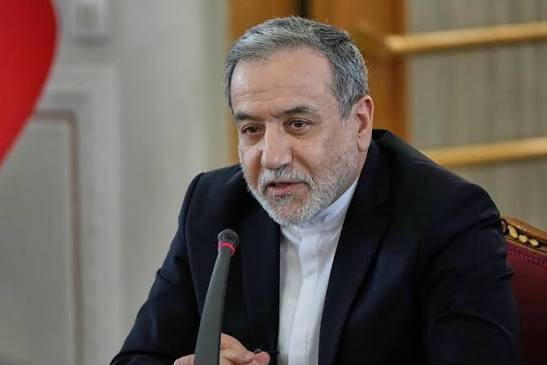
Iran also warned that it would continue to retaliate if US military operations persist. Officials maintained that defending the country’s sovereignty and strategic interests remains a top priority.
Strait of Hormuz Remains the Key Flashpoint
The Strait of Hormuz continues to be the focal point of the conflict. Nearly one-fifth of the world’s oil passes through the narrow waterway, making it one of the most strategically important shipping routes.
The growing military presence in the area has forced several shipping companies to reassess their routes. Oil prices have also remained volatile as markets react to fears of supply disruptions.
Global Leaders Push for Diplomacy
The latest escalation has prompted renewed calls for restraint from governments across Europe, Asia and the Gulf. Several countries have urged both Washington and Tehran to return to dialogue before the conflict spirals further.
Diplomatic efforts are continuing behind the scenes, but there has been little sign of an immediate breakthrough. Analysts warn that prolonged hostilities could have serious consequences for regional security, international trade and global energy markets.
What Lies Ahead?
Military forces on both sides remain on high alert, and further strikes cannot be ruled out. The coming days are expected to be critical as the international community watches for signs of either escalation or renewed diplomatic engagement.
For now, the Iran US conflict remains one of the world’s most closely watched crises. With both sides showing no indication of backing down, concerns over a broader regional conflict continue to grow.