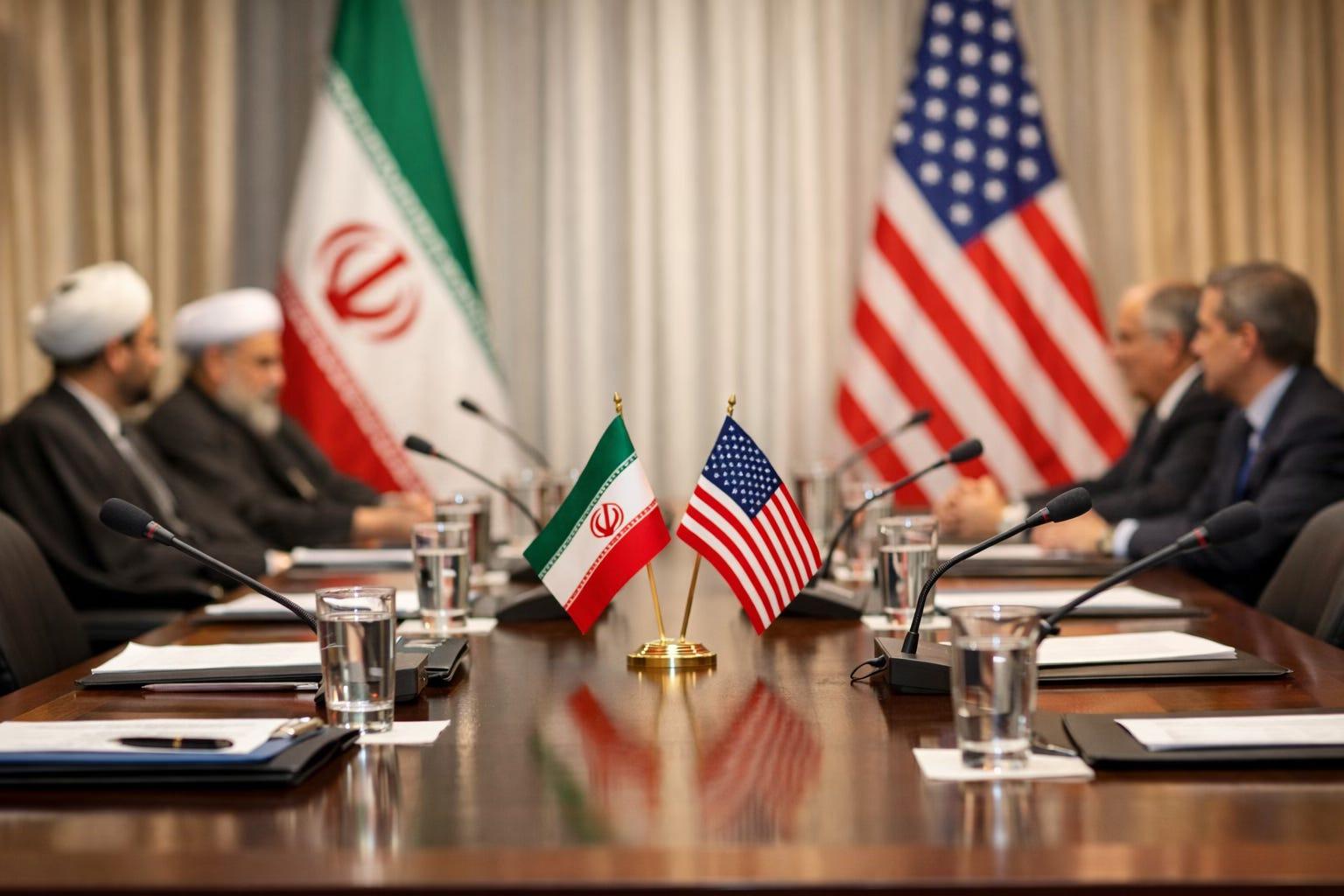
India has advised its citizens to avoid all non-essential travel to Iran even as diplomatic efforts to end the conflict continue. The advisory comes at a time when Pakistan has said that talks between the United States and Iran are likely to resume next week.
The Indian Embassy in Tehran said the situation remains sensitive despite recent signs of de-escalation. It urged Indian nationals already in Iran to remain cautious and closely follow updates issued by local authorities and the embassy.
Fresh diplomatic efforts underway
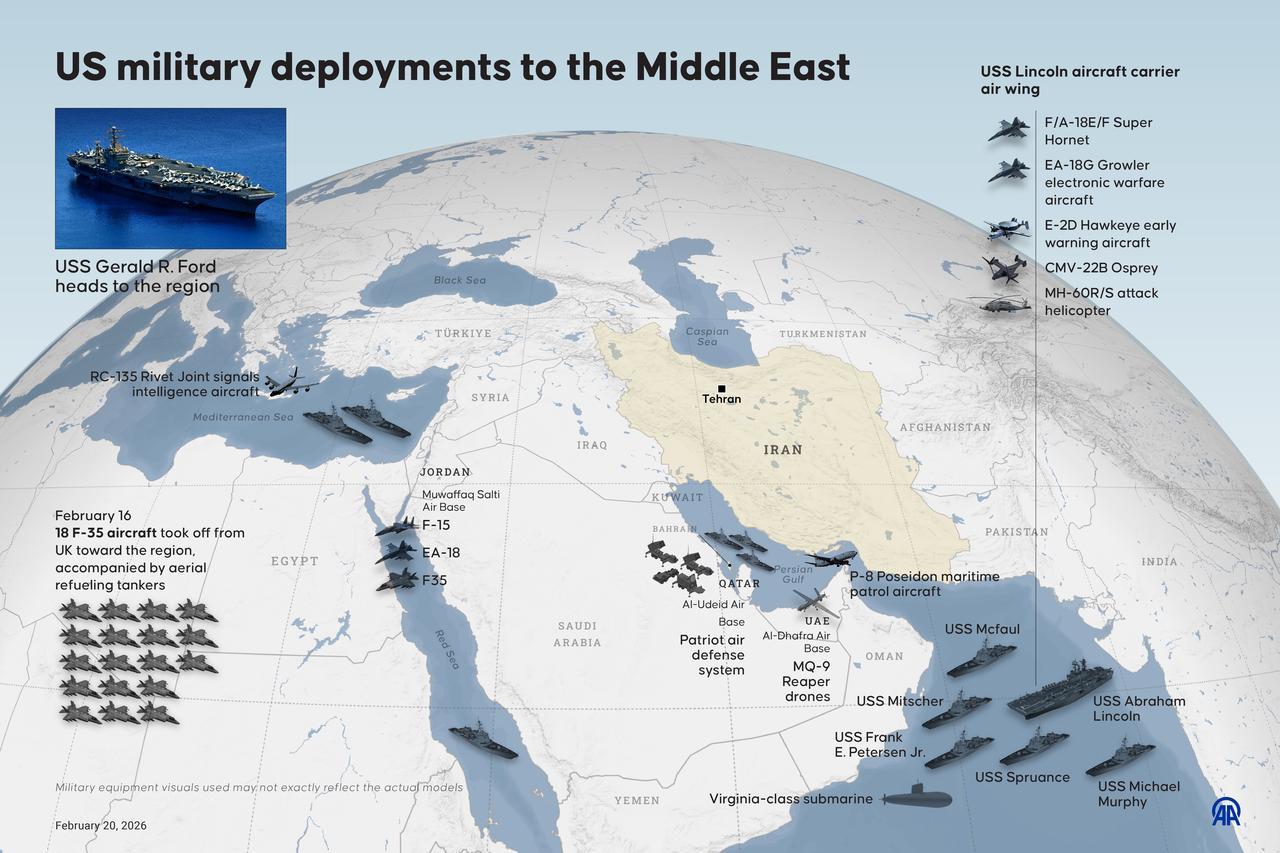
The US Iran war latest developments indicate that both Washington and Tehran are continuing backchannel discussions to prevent further escalation.
Pakistan said another round of negotiations could begin next week. Mediators are reportedly working on issues such as sanctions relief, regional security and steps to avoid future military confrontation.
Diplomatic efforts have gained momentum after both sides signalled a willingness to keep communication channels open. However, officials have not yet provided details about the agenda or the location of the proposed talks.
Also Read: Iran Calls Peace Deal ‘US Defeat’ as West Asia War Enters New Phase
Why India remains cautious
India has significant strategic and economic interests in West Asia. Thousands of Indian nationals live and work across the region, and any escalation could affect their safety.
The region is also important for India’s energy security. Any disruption in oil supplies or shipping routes can have a direct impact on global crude prices and the Indian economy.
New Delhi has consistently called for dialogue and peaceful resolution of disputes. India has urged all sides to exercise restraint and avoid actions that could increase tensions.
The US Iran war latest developments show that diplomacy remains active even though uncertainties continue. The coming days will be crucial as negotiators try to build trust and move towards a broader agreement.
For now, India’s travel advisory remains in force, highlighting that despite encouraging diplomatic signals, the situation on the ground still requires caution and close monitoring.