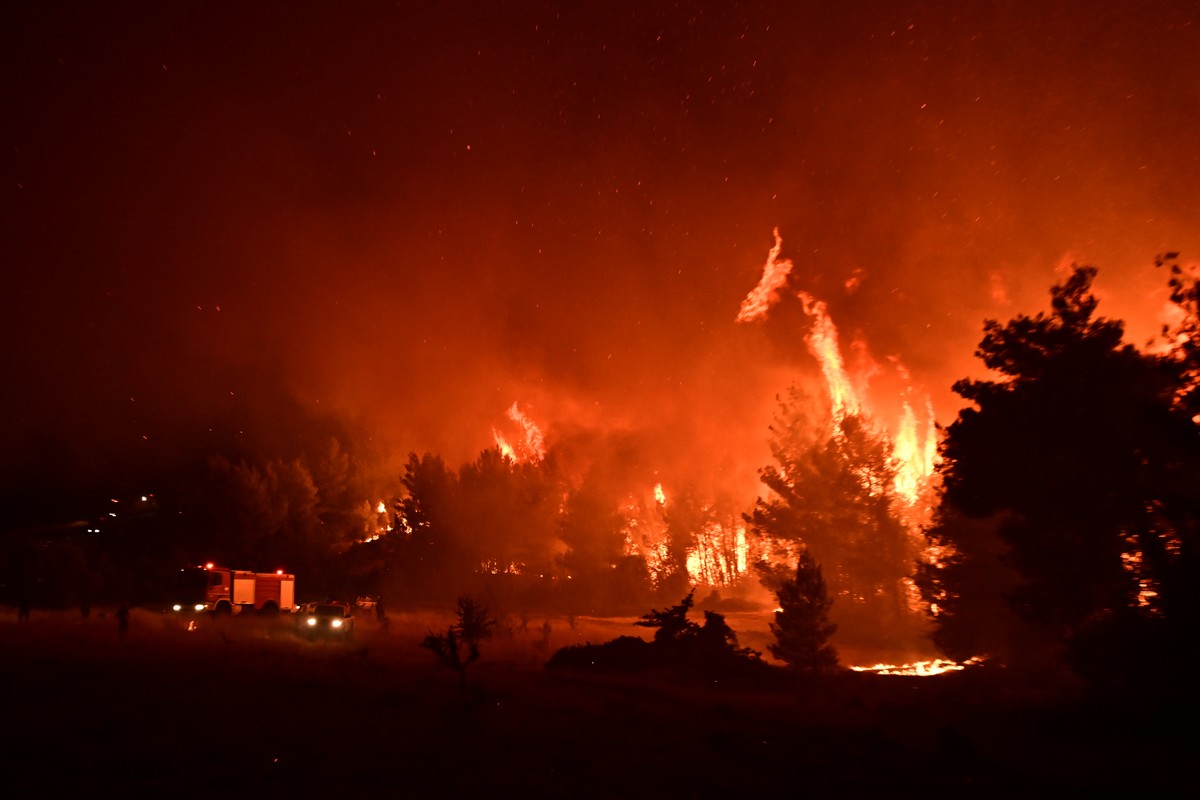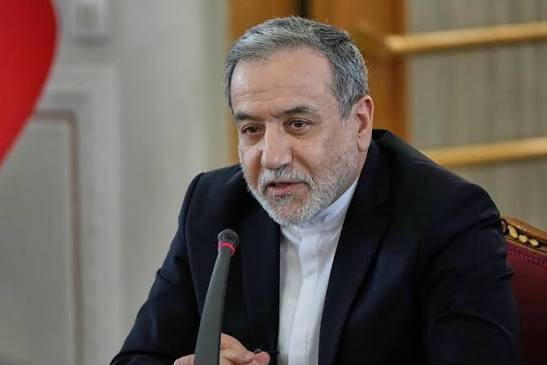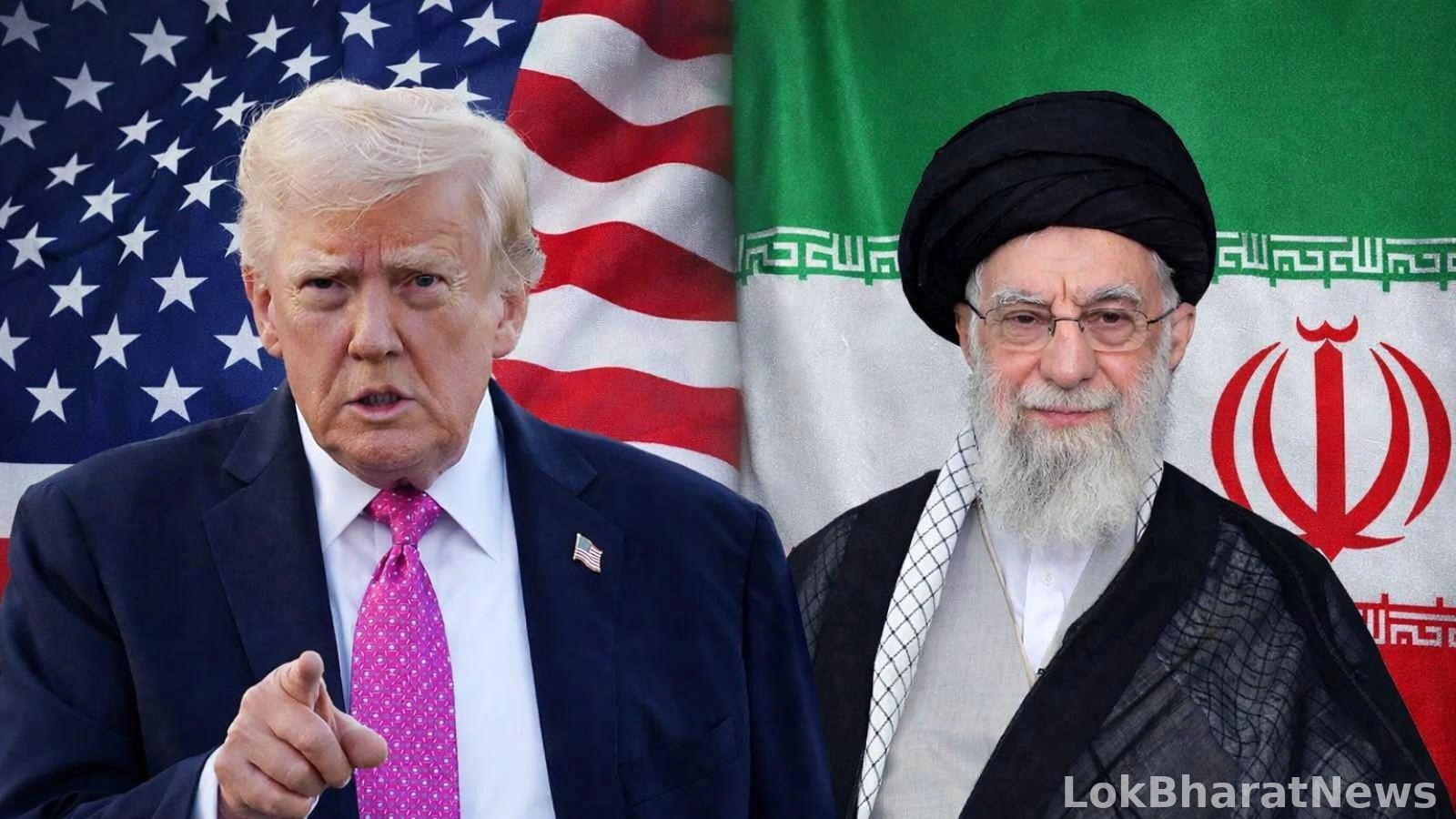
Iran’s Supreme Leader intensified tensions in the Middle East after accusing the United States and Israel of trying to “bring the nation to its knees” during the ongoing regional conflict. The remarks came amid renewed military threats, fragile diplomatic efforts and continued fears of wider escalation.
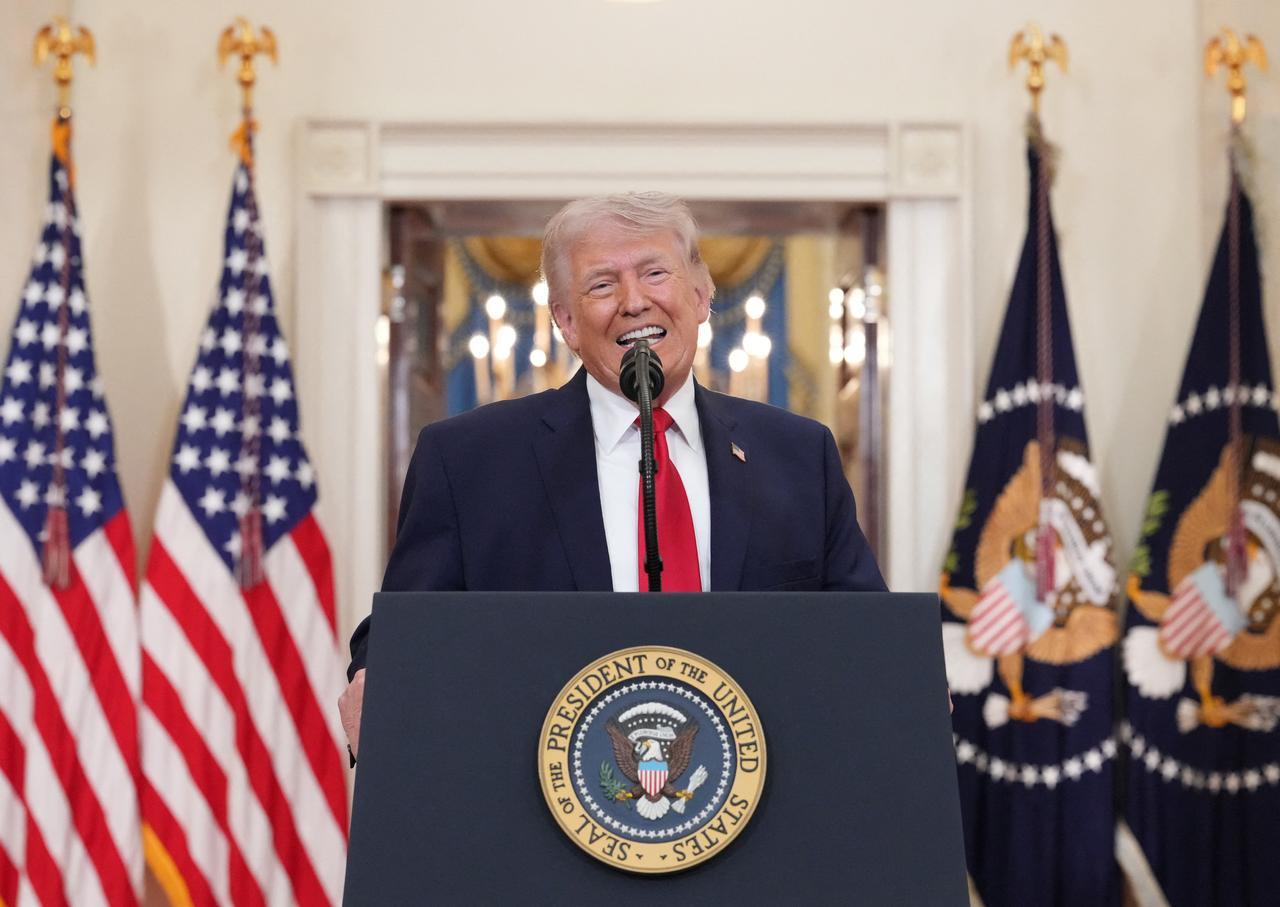
Iranian state media carried the statement as pressure mounted over ceasefire negotiations and regional security concerns. Tehran also criticised recent comments by US President Donald Trump regarding the Strait of Hormuz and future military action.
The latest exchange follows months of heightened confrontation involving missile strikes, military operations and diplomatic breakdowns across the region. Several reports indicate that tensions remain extremely high despite ongoing international mediation efforts.
Iran-Israel war sees fresh escalation
The Iran-Israel war developments continued to dominate global attention as both sides exchanged warnings over future military action.
Iranian leaders claimed the United States and Israel were attempting to weaken the country politically and economically through sustained pressure campaigns. Tehran also warned that outside intervention would not force the country into surrender.
US officials, however, maintained that diplomatic negotiations were still possible despite rising tensions. Secretary of State Marco Rubio recently said “some progress” had been made during talks, though military options remained available if negotiations collapsed.
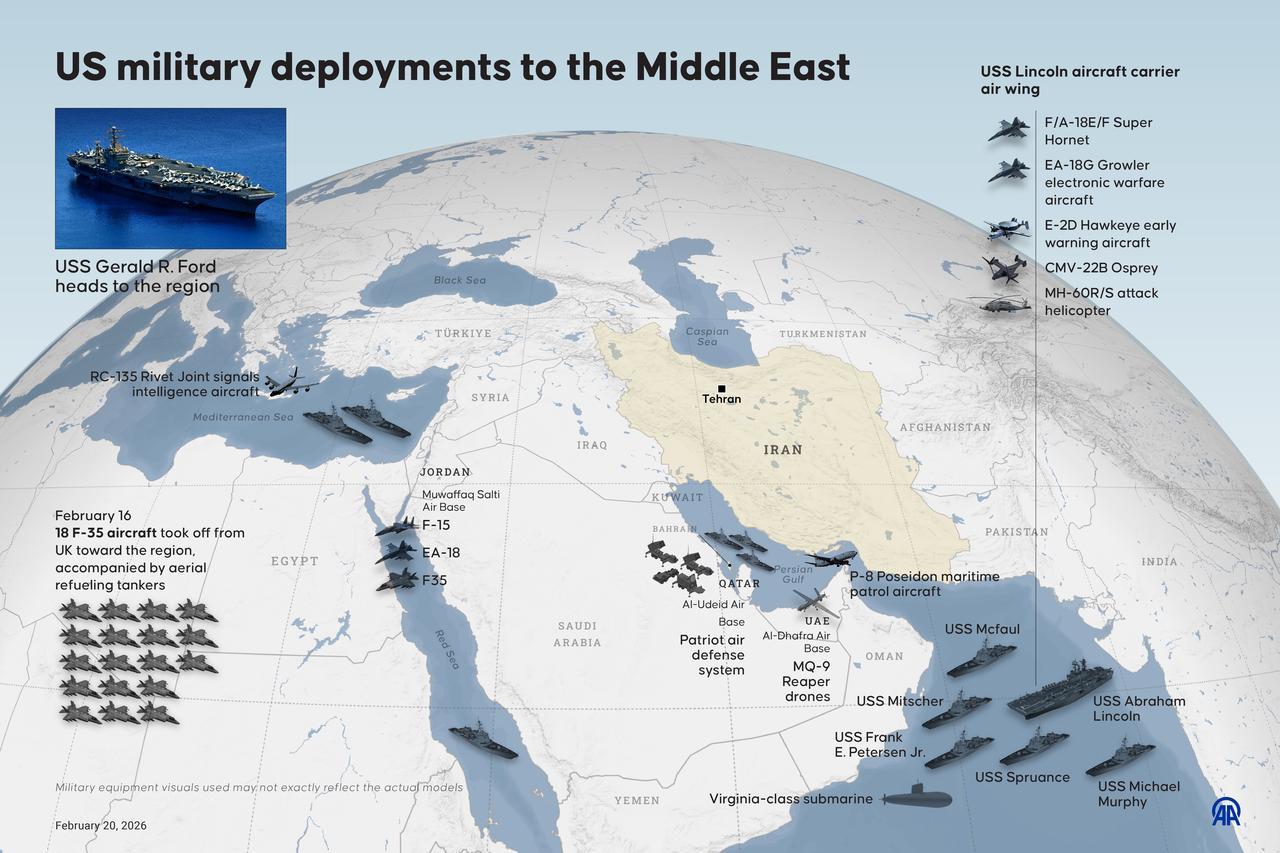
Trump also repeated warnings against Iranian influence in the Strait of Hormuz and signalled that Washington would respond strongly to threats against regional shipping routes.
Also Read: WHO Warns Of Ebola-Conflict Crisis In DR Congo
Regional fears continue growing
Military activity across the region has increased fears of a broader Middle East conflict involving multiple countries and armed groups.
Israeli operations in Lebanon have expanded in recent days, while Hezbollah and allied forces continue cross-border attacks despite earlier ceasefire efforts.
Oil prices also remain volatile because investors fear disruption around major shipping lanes and energy infrastructure. Analysts warned that prolonged conflict could affect global fuel markets and economic stability.
Inside Iran, political divisions have reportedly emerged over negotiations with the United States. Hardline factions continue demanding strict conditions during talks and oppose concessions involving sanctions or regional control.
International agencies and diplomats are now urging restraint from all sides as concerns grow over civilian casualties, regional instability and economic fallout. Several countries have already increased security monitoring and emergency preparedness measures because of the rapidly changing situation.
The Iran-Israel war situation remains highly unstable, with diplomatic channels still active but military tensions continuing to rise across the region.