Scientists have discovered traces of ancient stardust trapped deep inside Antarctic ice, offering rare insights into the Solar System’s movement through space over tens of thousands of years.
Researchers detected iron-60, a radioactive isotope created during supernova explosions, inside Antarctic ice samples dating back nearly 80,000 years. The findings suggest Earth has been travelling through a cloud of stellar debris left behind by ancient exploding stars.
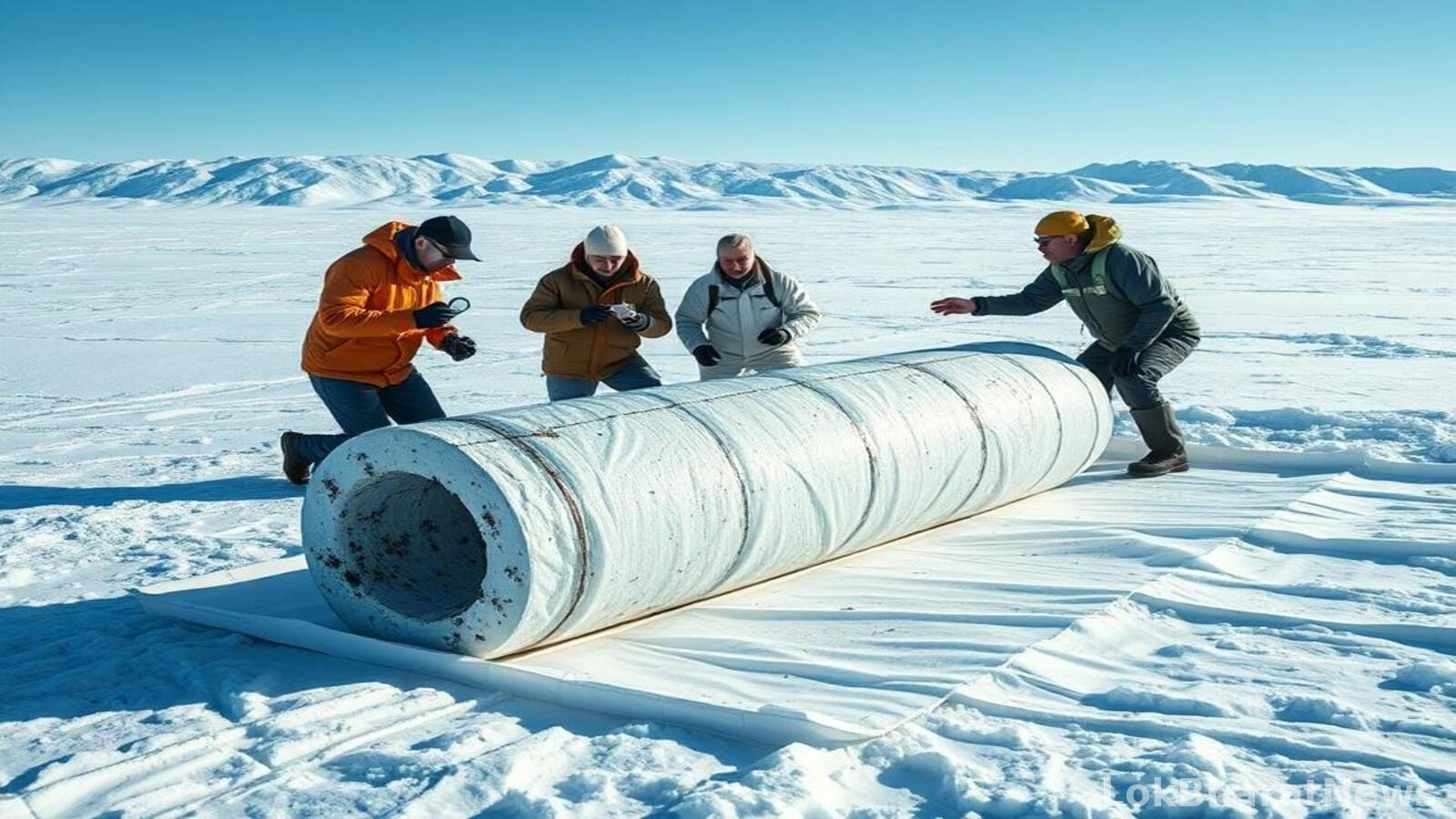
The study was led by researchers from the Helmholtz-Zentrum Dresden-Rossendorf in Germany. Scientists analysed ice cores collected during the EPICA Antarctic drilling project to trace changes in cosmic dust reaching Earth.
Antarctic ice stardust reveals cosmic journey
The Antarctic ice stardust findings indicate the Solar System has been moving through the Local Interstellar Cloud for nearly 80,000 years.
Researchers said the cloud likely formed after a nearby stellar explosion millions of years ago. As Earth travelled through different regions of the cloud, varying amounts of iron-60 reached the planet and became trapped inside Antarctic ice.
Scientists believe the ice now acts like a “cosmic archive” preserving records of changes in Earth’s galactic environment. The discovery may help researchers better understand how nearby supernovae shaped the Solar System’s surroundings.
Also Read: Jasprit Bumrah Makes Big Captaincy Remark After MI Win
What is iron-60 and why it matters
Iron-60 is a rare radioactive isotope produced inside massive stars before they explode as supernovae. Because it decays over time, scientists use it to study ancient cosmic events and interstellar dust movement.
Researchers earlier discovered traces of iron-60 in Antarctic snow and deep-sea sediments. However, the new ice-core analysis provides stronger evidence linking the material to the Local Interstellar Cloud surrounding the Solar System.
The study was published in the journal Physical Review Letters. Scientists said future research could help map the structure of nearby interstellar clouds and reveal more details about Earth’s long journey through the Milky Way.
The Antarctic ice stardust discovery is also expected to improve understanding of how cosmic events may have influenced Earth’s environment across geological history