Social Media Panic Returns Over Old Hantavirus Post
An old social media post about hantavirus has recently gone viral again, creating confusion and concern among users online. Many people mistakenly believed a fresh outbreak had started after the tweet resurfaced across multiple platforms. Health experts, however, clarified that the information being circulated was outdated and lacked proper context.
The renewed attention around the disease quickly triggered fear-driven reactions online. Several posts exaggerated the risks and spread unverified claims, leading medical professionals to urge people not to panic. Experts stressed that while hantavirus is a serious illness, cases remain rare and are usually linked to specific environmental exposure.
What Is Hantavirus?
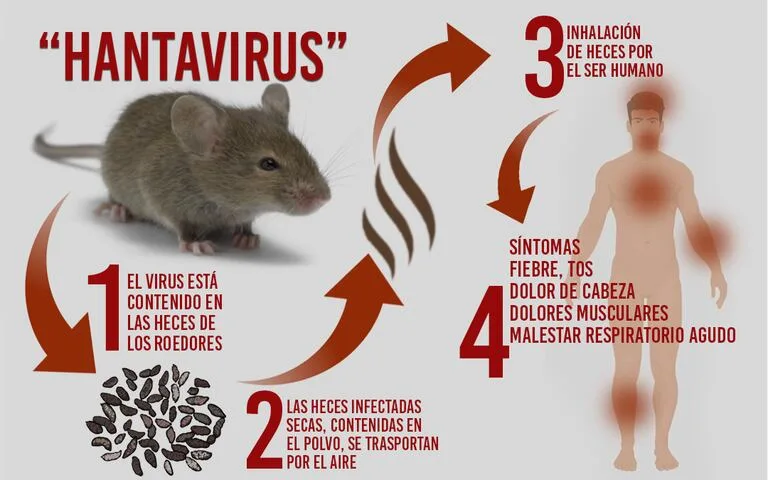
Hantavirus Pulmonary Syndrome is a rare but potentially dangerous viral infection mainly spread through contact with infected rodents or their droppings, urine, and saliva. Humans can become infected when contaminated particles enter the air and are inhaled.
Symptoms often begin like the flu and may include fever, fatigue, muscle pain, headaches, and chills. In severe cases, breathing problems can develop rapidly, requiring immediate medical attention. Doctors say early diagnosis plays an important role in recovery.
Experts Say Panic Is Unnecessary
Medical experts and public health officials have emphasized that there is no reason for widespread panic over the resurfaced tweet. According to infectious disease specialists, old posts can often create unnecessary alarm when shared without dates or scientific updates.
Experts noted that hantavirus does not spread easily between people in most known cases. The primary risk remains direct exposure to infected rodents, particularly in poorly ventilated spaces such as abandoned buildings, storage areas, or rural sheds.
visit:https://dial24news.com/
Health professionals also warned users against relying on viral social media posts for medical information. They encouraged the public to verify health-related claims through trusted organizations and official health agencies.
How People Can Protect Themselves
Doctors recommend simple preventive measures to reduce the risk of hantavirus exposure. Keeping homes and workplaces clean, sealing rodent entry points, and safely cleaning areas with rodent activity can significantly lower the chances of infection.
Experts advise people not to sweep or vacuum rodent droppings directly, as this may release contaminated particles into the air. Instead, affected areas should be disinfected carefully while wearing protective gloves and masks if needed.
Outdoor workers, campers, and people living in rural regions are especially encouraged to maintain hygiene and avoid direct contact with wild rodents.
Reliable Resources People Should Follow
Health experts urged people to depend on trusted medical and public health organizations for accurate updates and guidance. Reliable sources include:
- World Health Organization
- Centers for Disease Control and Prevention
- Indian Council of Medical Research
- Ministry of Health and Family Welfare
These organizations regularly publish verified health advisories, safety guidelines, and outbreak updates based on scientific evidence.
Misinformation Continues To Be A Major Concern
Public health experts say the rapid spread of misleading health information on social media remains a growing challenge. Viral posts often gain attention faster than factual updates, especially when linked to fear or uncertainty.
Experts encouraged users to check publication dates, confirm sources, and avoid forwarding unverified medical claims. They added that responsible sharing of information can help prevent confusion and unnecessary anxiety during public health discussions.
Conclusion
The viral circulation of an old hantavirus tweet has once again highlighted the dangers of online misinformation. While hantavirus is a serious illness, experts say there is currently no reason for public panic based on outdated posts. Medical professionals continue to encourage awareness, proper hygiene, and reliance on trusted health resources instead of social media rumors.