


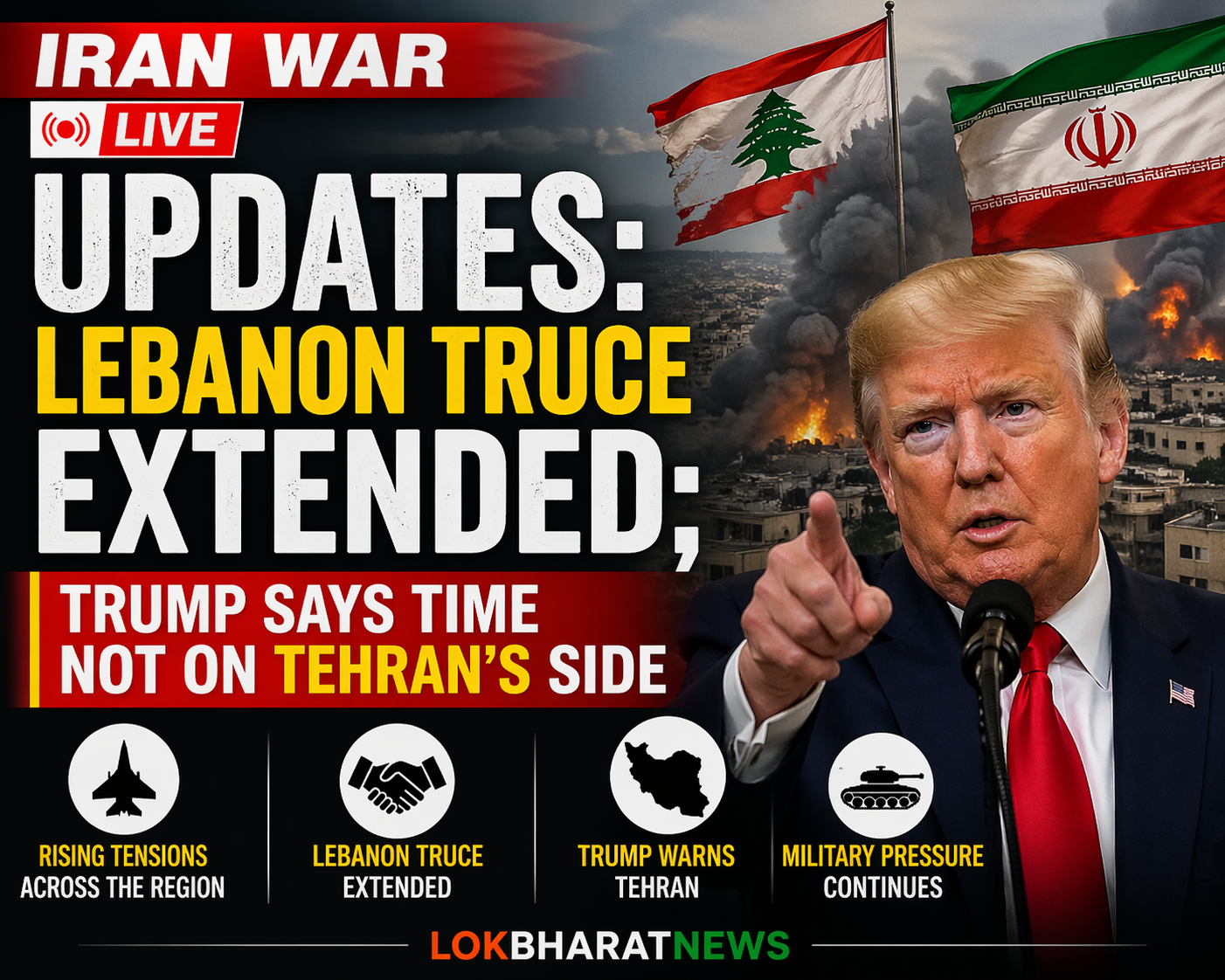
The situation in the Middle East remains highly tense as the Iran conflict continues to influence regional stability.
Diplomatic efforts, military movements, and political statements from global leaders are shaping an uncertain and volatile environment.
Recent developments highlight an extended ceasefire in Lebanon and strong warnings directed at Tehran.
Lebanon Ceasefire Extended Amid Ongoing Tensions
The fragile ceasefire between Israel and Lebanon has been extended once again after intense diplomatic discussions.
The extension is aimed at preventing further escalation along the border,
where clashes involving Hezbollah and Israeli forces have continued intermittently.
Despite the agreement, the situation on the ground remains unstable, with occasional violations reported and civilians still facing insecurity.
Continued Instability Along the Border Region
Even with the ceasefire extension, tensions in southern Lebanon remain high.
Sporadic incidents of cross-border fire and air activity continue to raise concerns.
Local populations are living under constant uncertainty as both sides maintain defensive positions.
International observers have warned that the truce could break down if provocations continue.
Also Read: Holder, Washington Star As Gujarat Titans Seal Thrilling Last-Over Win
Trump’s Statement on Iran and Regional Pressure
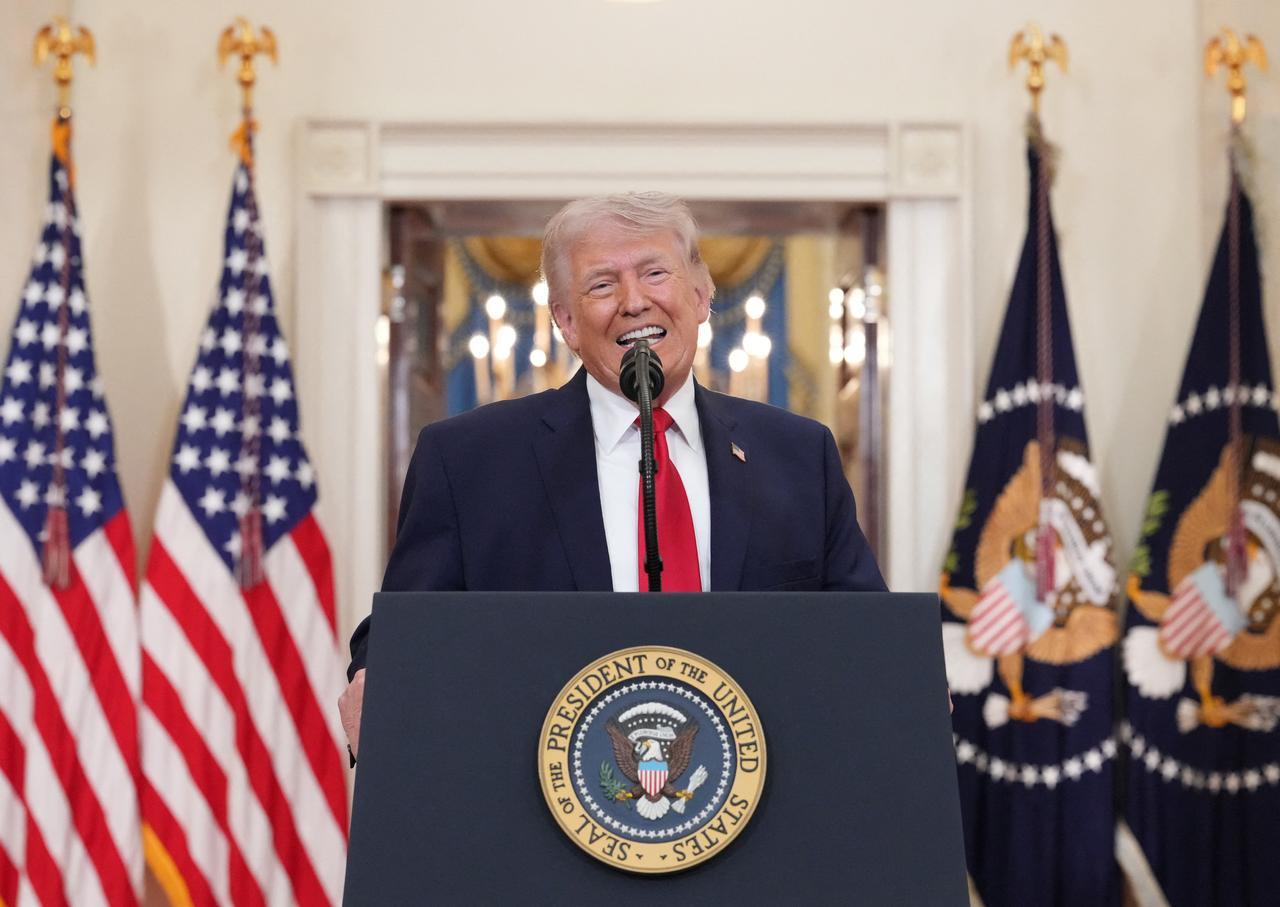
Former U.S. President Donald Trump has issued a strong statement regarding Iran, saying that “time is not on Tehran’s side.”
He emphasized that while the United States is prepared to wait, Iran faces increasing pressure to make decisions quickly.
His comments reflect a broader strategy of maintaining diplomatic and military pressure on Tehran.
Rising U.S. Strategic Pressure in the Region
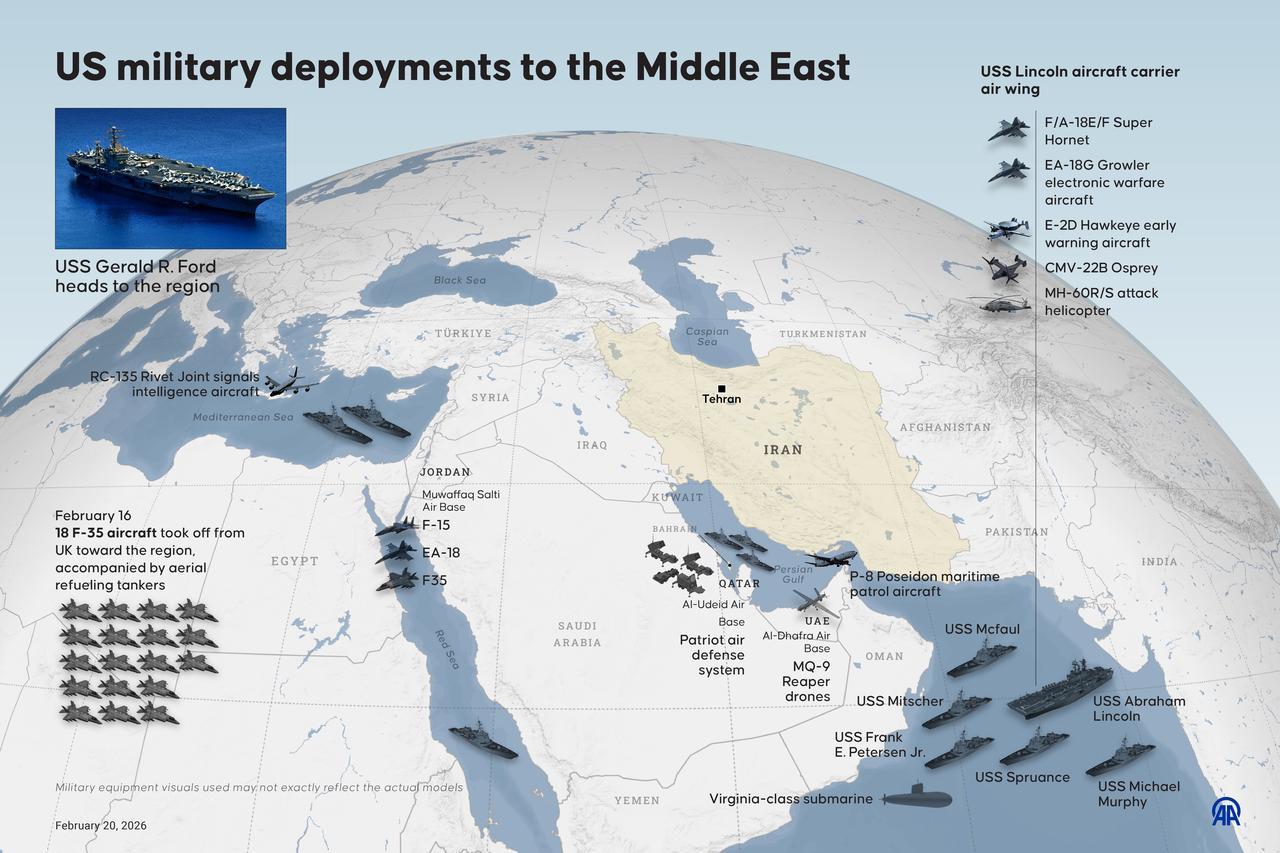
The United States continues to maintain a significant military presence in the Middle East, particularly in strategic waterways.
Monitoring and surveillance operations have increased as tensions rise.
Officials have indicated that this posture is meant to deter further escalation while keeping negotiation channels open under strict conditions.
Iran’s Position and Response
Iran continues to reject external pressure and maintains that negotiations must be based on mutual respect rather than coercion.
Iranian officials have accused Western powers of escalating tensions through military presence and sanctions.
Despite this, diplomatic communication channels remain partially open.
Global Diplomatic Efforts and Uncertain Future
International efforts to stabilize the situation are ongoing, with multiple countries attempting to mediate between the involved parties.
However, deep political differences and continued military posturing make long-term resolution difficult.
The coming weeks are expected to be critical in determining whether the situation moves toward diplomacy or further escalation.
https://shorturl.fm/iNAPY