Tensions between Iran and the United States have intensified, reducing hopes for immediate peace. What once looked like a possible diplomatic breakthrough is now turning into a deeper conflict, driven by mistrust and strong political messaging.
Both sides continue to blame each other for the stalled negotiations, making the situation increasingly fragile.
Tehran Refuses Talks Under Threats
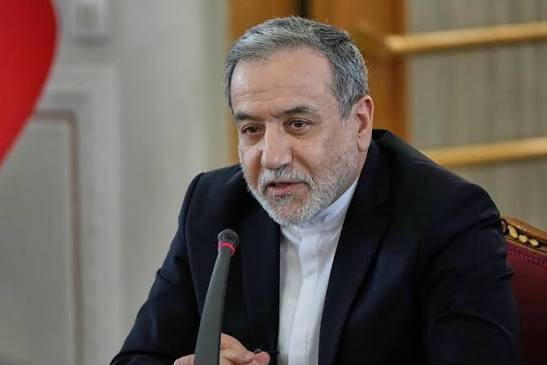
Iran has firmly stated that it will not enter negotiations while facing military pressure. Leaders in Tehran have made it clear that talks cannot happen “under the shadow of threats.”
According to Iranian officials, diplomacy must be based on mutual respect—not coercion. Accepting talks under pressure, they argue, would weaken their national position and reduce their bargaining power.
This stance signals that Iran is willing to delay negotiations rather than compromise under unfavorable conditions.
Trump: Blockade Will Continue Until Deal Is Reached
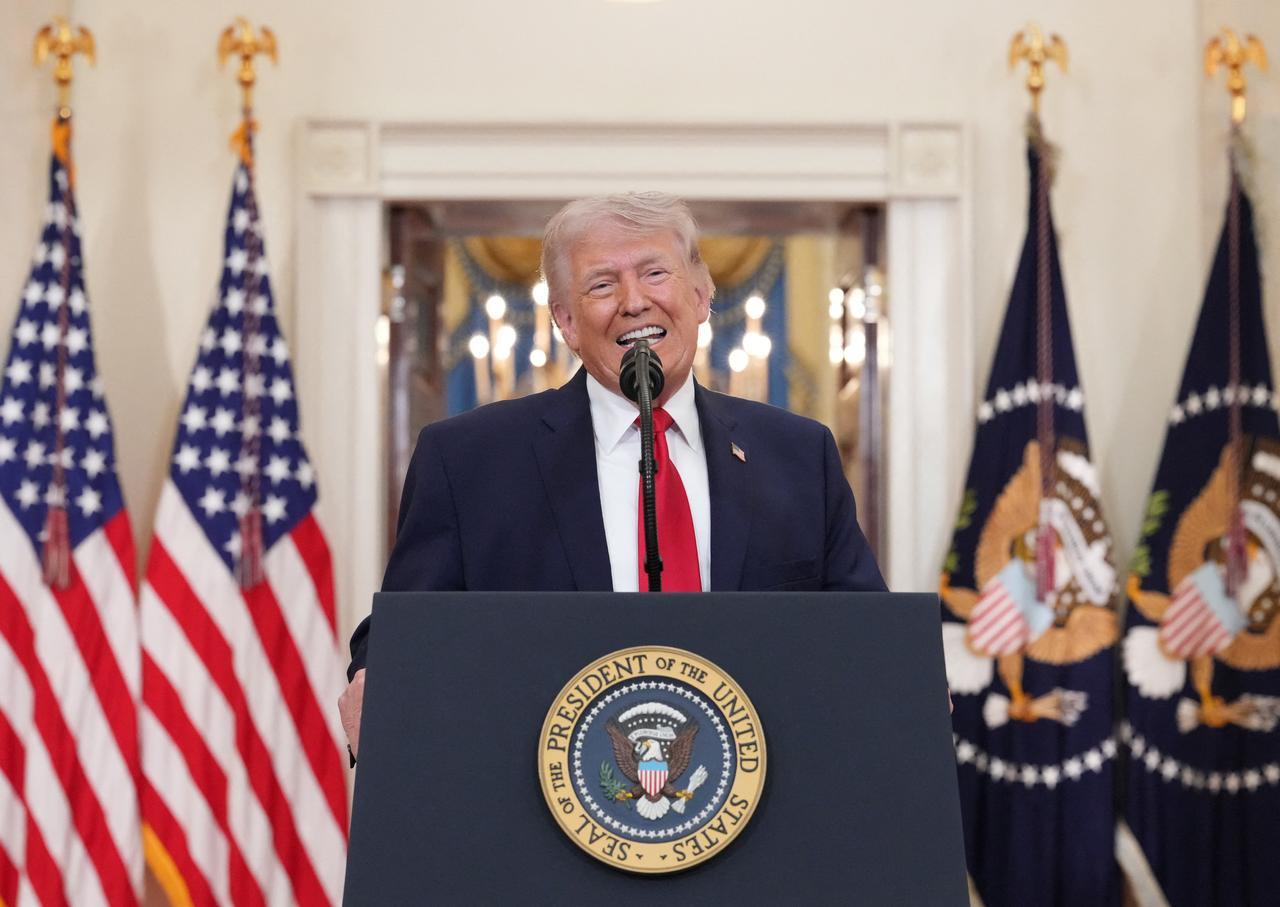
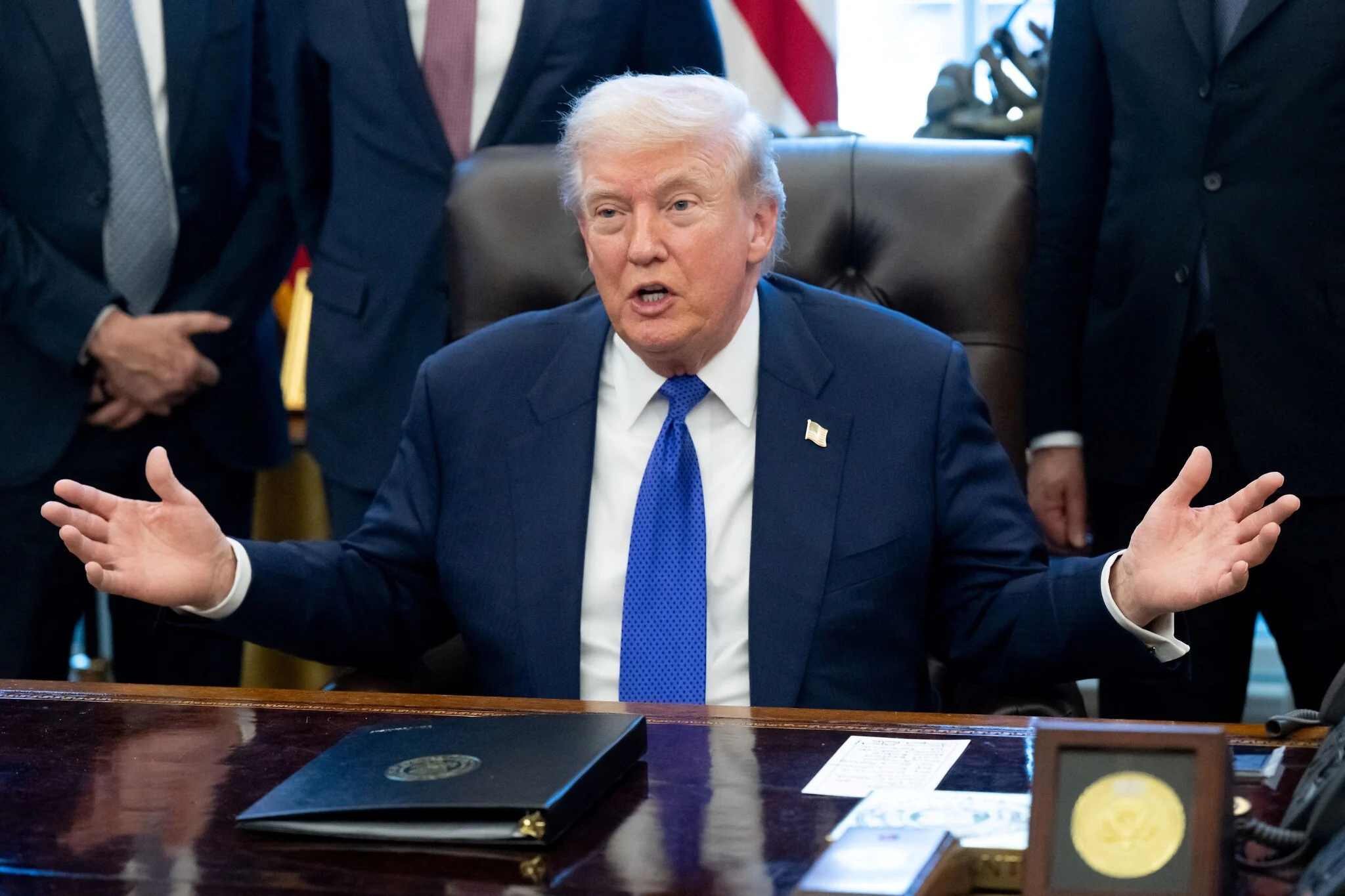
U.S. President Donald Trump has taken a strict approach, confirming that the blockade on Iran will remain in place until a formal agreement is achieved.
Trump described the blockade as a powerful tool to push Iran toward negotiations. He claims it is already putting economic and strategic pressure on Tehran.
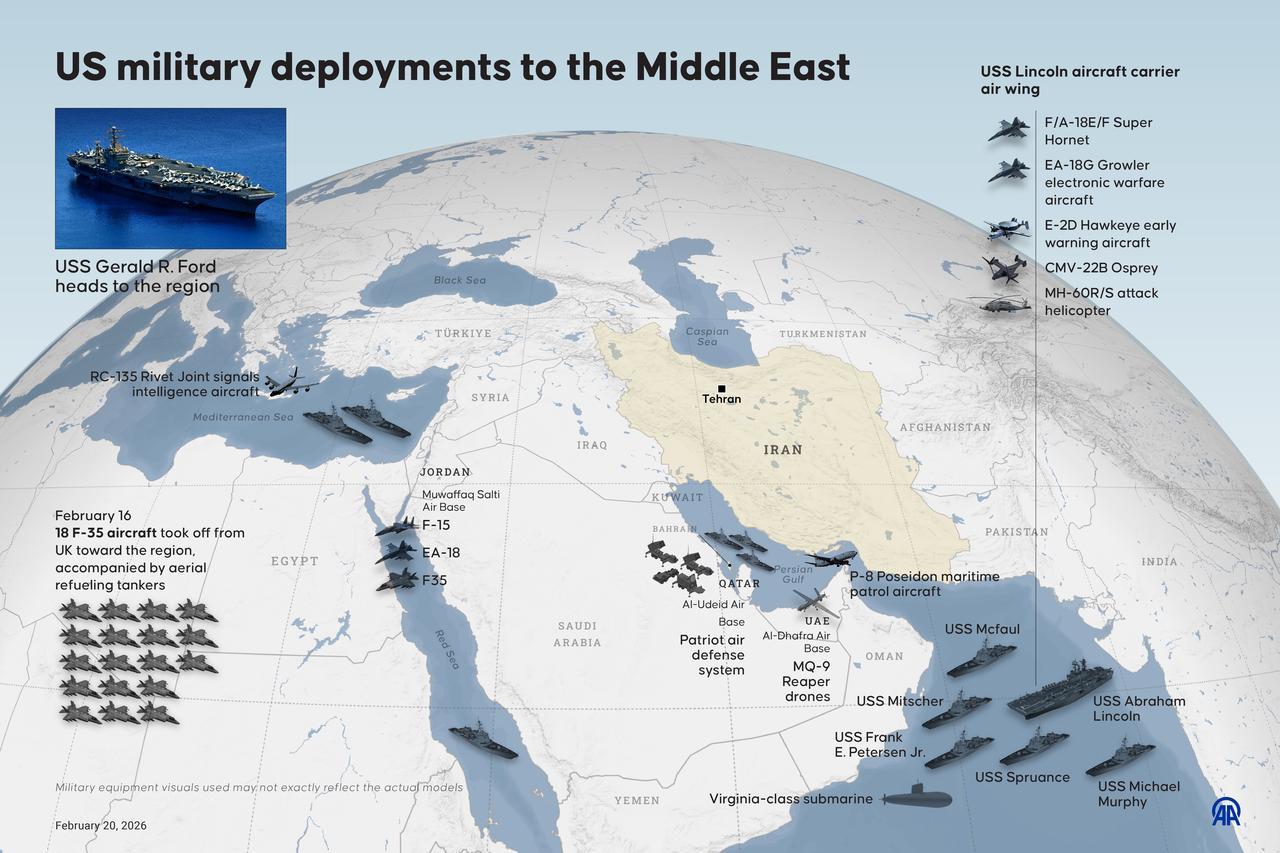
The blockade, particularly around the Strait of Hormuz, is affecting global shipping routes and raising concerns about energy supply disruptions.
Military Actions Escalate the Conflict
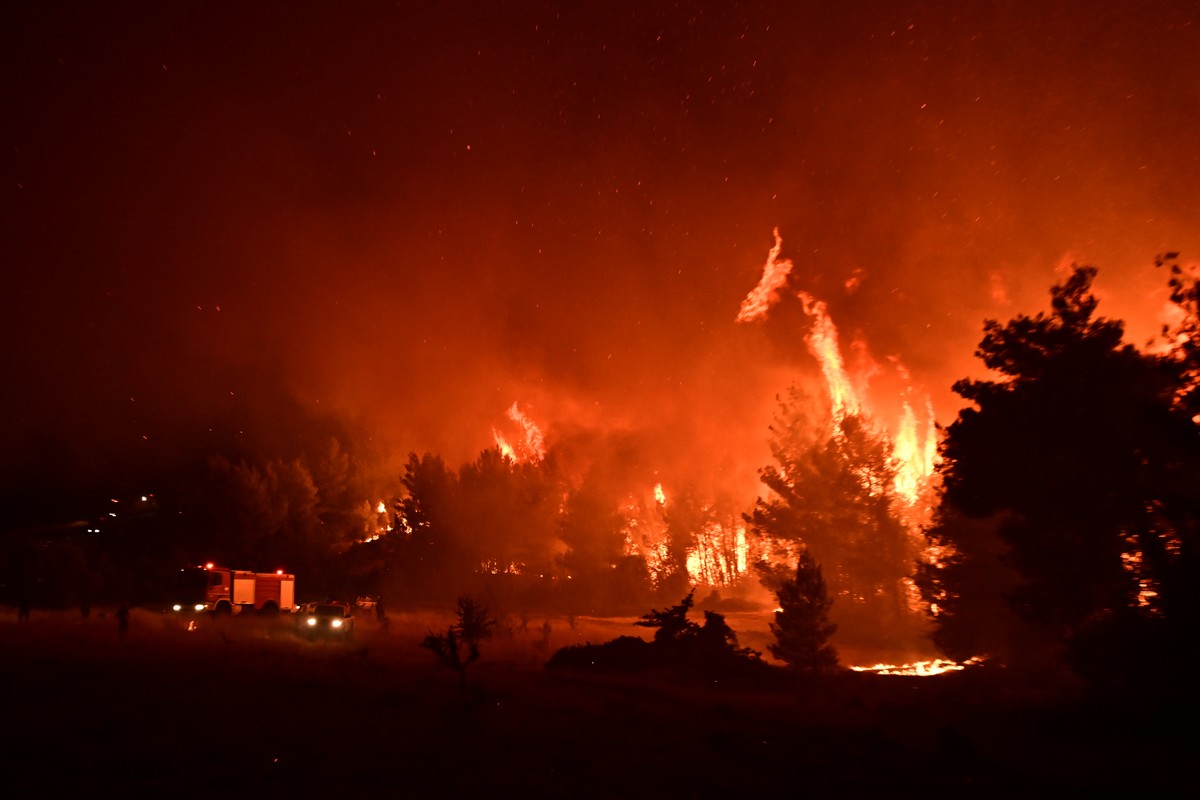
Recent military developments have added to the tension. U.S. forces seized an Iranian-flagged vessel suspected of bypassing the blockade, triggering strong reactions from Tehran.
Iran condemned the action as illegal and warned that such moves could lead to retaliation. Officials argue that these incidents show a lack of commitment to peaceful resolution.
As military activity increases, the risk of direct confrontation between the two nations also rises.
Peace Talks Face Uncertainty
Plans for potential talks, possibly involving mediation in Pakistan, remain unclear. Iran has not confirmed its participation, while U.S. officials continue to express readiness for dialogue.
Experts believe Iran’s refusal may be a strategic move to gain leverage rather than a complete rejection of diplomacy. However, under current conditions, progress appears unlikely in the short term.
Global Impact and Oil Market Concerns
The ongoing conflict is already affecting global markets. The Strait of Hormuz, a key route for oil transportation, plays a critical role in global energy supply.
Any disruption in this region can lead to rising oil prices and economic uncertainty worldwide. Countries dependent on oil imports are closely watching the situation as tensions continue to grow.
The standoff between Iran and the United States remains tense and unpredictable. Iran refuses to negotiate under pressure, while Trump insists the blockade will stay until a deal is reached.
With both sides holding firm, the chances of immediate peace remain low. The coming days will be crucial in determining whether tensions escalate further or diplomacy finds a way forward.