Women’s Reservation Bill 2026: A Turning Point for Gender Equality or a Calculated Political Strategy?
Introduction: A Defining Moment in Indian Politics
The announcement around the women’s reservation bill has turned the special session of Parliament into a crucial moment for India’s democratic future. Prime Minister Narendra Modi has described it as a “historic step” toward women’s empowerment. However, beyond the strong messaging, the bill carries deep political, constitutional, and electoral significance that goes far beyond a simple reform.
What the Women’s Reservation Bill Proposes
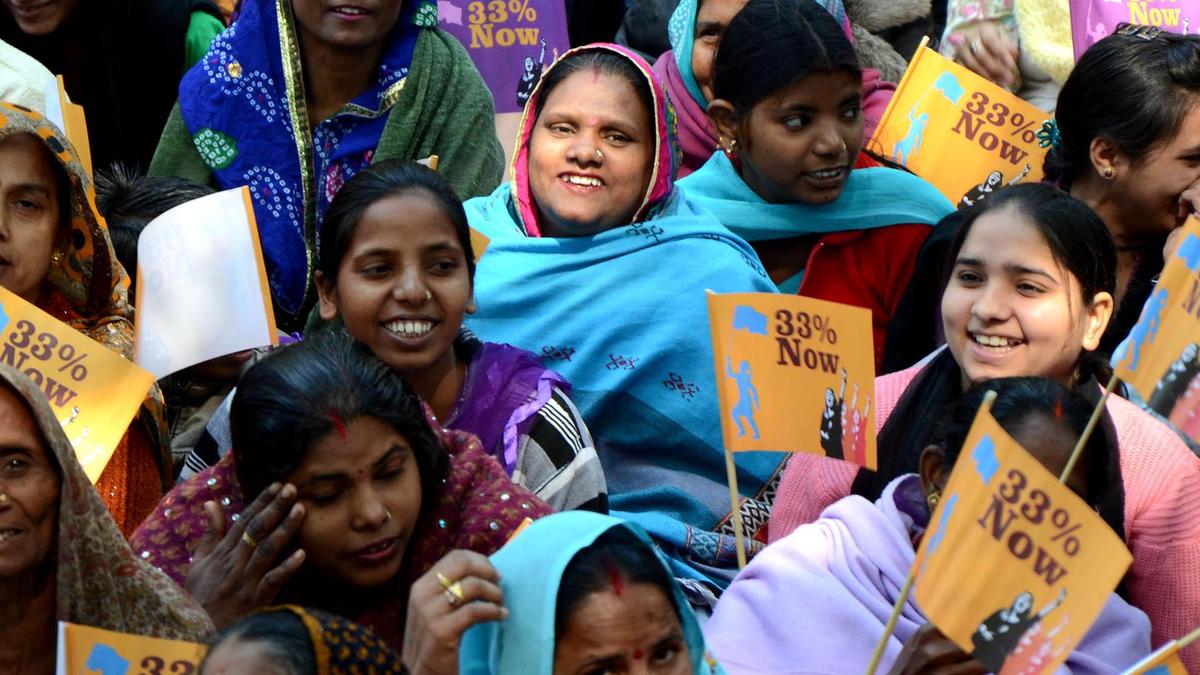
The bill aims to provide 33% reservation for women in the Lok Sabha and state legislative assemblies. This means that one-third of all seats will be reserved for women, ensuring their greater participation in lawmaking.
If implemented, it would mark one of the biggest structural changes in Indian politics, where women’s representation has remained relatively low for decades. The reform is expected to come into effect from the 2029 general elections, making it a long-term political transformation.
Political Strategy Behind the Move
While the bill focuses on empowerment, it also reflects a strong political strategy. Women voters form a significant and growing portion of the electorate in India. By promoting this reform, the government is building a direct connection with this voter base.
At the same time, the move strengthens the image of the leadership as progressive and reform-driven. It sends a message that the government is committed to inclusive growth and social change, both domestically and globally.
Opposition View: Support with Serious Concerns
Most opposition parties agree with the idea of women’s reservation. However, their concerns lie in how and when it is being implemented. The biggest issue raised is its connection with delimitation, which could change the number and boundaries of constituencies.
Opposition leaders argue that this linkage may affect the balance of power between states, especially between northern and southern regions. As a result, the debate is no longer just about women’s empowerment, but also about fairness in political representation.
Delimitation: The Core of the Controversy
Delimitation is the process of redrawing constituency boundaries based on population data. This exercise can significantly impact how political power is distributed across the country.
By linking women’s reservation with delimitation, the issue becomes more complex. It raises concerns about whether some states might gain more influence while others lose representation. This is why the debate has become intense and politically sensitive.
Constitutional Challenges and Delayed Implementation
Passing the bill is not simple. It requires a constitutional amendment, which means it needs a two-thirds majority in Parliament and support from states. This makes political consensus essential.
Additionally, the implementation is planned for 2029, which depends on future census data and delimitation. This delay raises questions about whether the reform will be executed as promised or face further political hurdles.
Impact on Indian Democracy and Governance
If successfully implemented, the bill could transform Indian democracy by bringing more women into leadership roles. This may lead to more inclusive policymaking and greater focus on issues like education, healthcare, and social welfare.
However, experts also argue that reservation alone is not enough. True empowerment will depend on how political parties promote women leaders and give them real decision-making power.
Final Conclusion: Reform with Long-Term Political Consequences
The women’s reservation bill is a powerful combination of social reform and political strategy. It has the potential to reshape India’s political landscape, but it is also deeply tied to issues like delimitation and federal balance.
Its success will depend on political agreement, transparent implementation, and long-term commitment. If handled well, it could become one of the most important reforms in India’s democratic history.