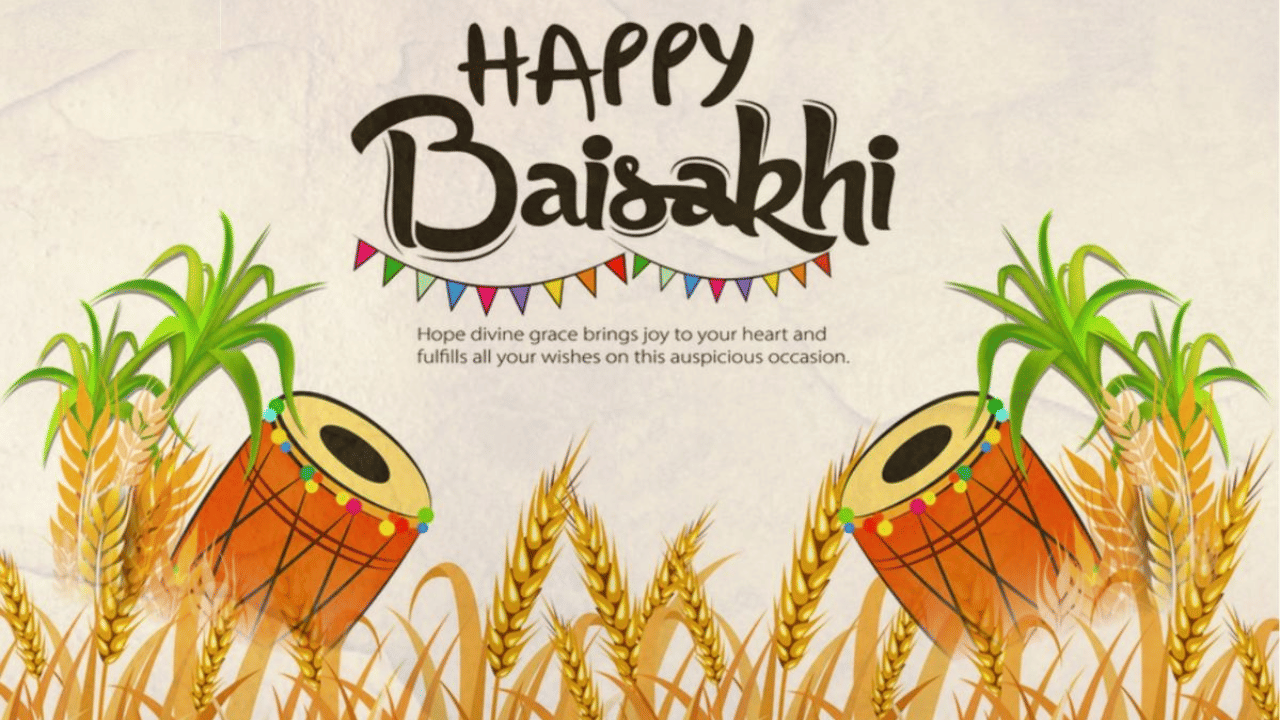
In 2026, Baisakhi will be celebrated on 14 April (Tuesday). This means the festival falls tomorrow, not today. Every year, Baisakhi is observed in mid-April according to the solar calendar and marks the beginning of a new harvest season in India.
The festival is especially important in states like Punjab and Haryana, where agriculture is a major part of life. Baisakhi brings a sense of joy, fresh beginnings, and positivity as people celebrate prosperity and success after months of hard work in the fields.
Timing and Rituals of Baisakhi
Unlike many Indian festivals that depend on lunar dates and specific muhurats, Baisakhi follows the solar calendar, so it is celebrated throughout the day, starting from sunrise.
The day begins with people waking up early, taking a holy bath, and wearing traditional clothes. Devotees visit Gurudwaras to offer prayers and listen to spiritual hymns (kirtan). One of the most important highlights is the Nagar Kirtan, where processions move through the streets spreading messages of unity, devotion, and service.
Another key part of the celebration is the Langar, a community meal served to everyone without discrimination. It reflects equality, togetherness, and the spirit of sharing. The entire day is filled with devotion, happiness, and community bonding.
Why Baisakhi Is So Important
Baisakhi holds agricultural, cultural, and religious importance.
For farmers, it marks the harvest of rabi crops, especially wheat. It is a time of reward and celebration after months of hard work, bringing financial relief and happiness to farming families.
Religiously, Baisakhi is very significant for Sikhs. In 1699, Guru Gobind Singh established the Khalsa Panth, giving Sikhs a strong identity, discipline, and unity. This historic moment continues to be remembered with deep respect.
Additionally, Baisakhi is celebrated as the traditional New Year in Punjab and nearby regions, symbolizing hope, renewal, and a fresh start.
Baisakhi and the Jallianwala Bagh Tragedy
Baisakhi is also connected with one of the most tragic events in Indian history—the Jallianwala Bagh Massacre.
On 13 April 1919, a large crowd gathered at Jallianwala Bagh in Amritsar. Many people were there to celebrate Baisakhi, while others had assembled peacefully to protest British policies.
Without warning, British officer Reginald Dyer ordered troops to open fire on the unarmed crowd. Due to the enclosed space and limited exits, hundreds of innocent people lost their lives, and many more were injured.
This heartbreaking incident shocked the entire nation and became a turning point in India’s freedom struggle. It strengthened the movement against British rule and inspired countless people to fight for independence. Because of this, Baisakhi is also a day of remembrance and respect for those who sacrificed their lives. How Baisakhi Is Celebrated
Baisakhi is celebrated with great enthusiasm, especially in Punjab. The festival is known for its colorful and lively atmosphere.
People wear traditional outfits—men often in turbans and women in bright salwar suits. Folk dances like Bhangra and Gidda are performed with high energy, expressing joy and excitement.
Fairs and cultural events are organized in many places, bringing communities together. Gurudwaras are beautifully decorated, and devotees gather in large numbers to seek blessings. The spirit of gratitude, happiness, and togetherness is visible everywhere.
Baisakhi 2026 will be celebrated on 14 April, making it a day filled with joy, devotion, and reflection. It marks the success of farmers, the creation of the Khalsa Panth, and the beginning of a new year in many regions.
At the same time, it reminds us of the sacrifices made during the Jallianwala Bagh tragedy, giving the festival deeper meaning. This blend of celebration and remembrance makes Baisakhi one of the most powerful and meaningful festivals in India.