Amid escalating geopolitical tensions in the Middle East, global energy routes have come under pressure. The situation around the Strait of Hormuz—a vital passage for oil and gas shipments—has raised serious concerns for countries dependent on imports, including India.
A Crucial Delivery Arrives
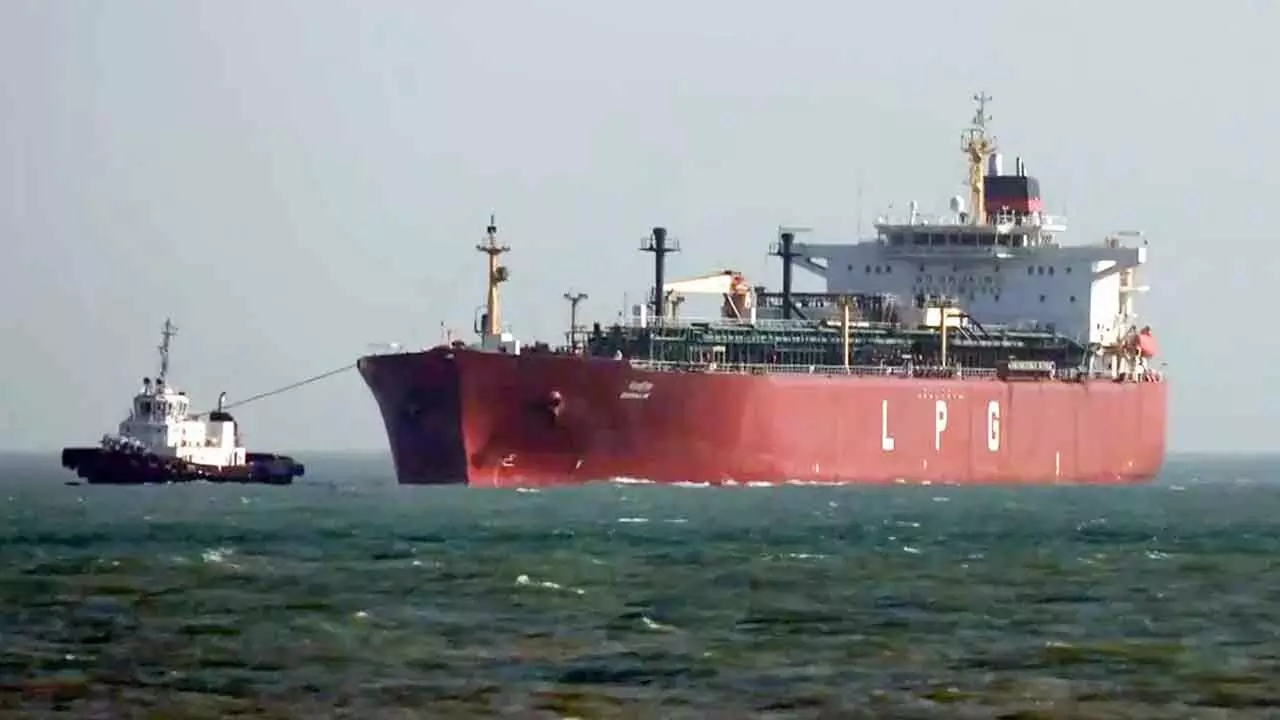
In a significant development, India’s LPG tanker “Nanda Devi” has successfully completed its journey and reached the western coast carrying approximately 47,000 metric tons of liquefied petroleum gas (LPG).
The vessel docked at a major port in Gujarat, strengthening the country’s domestic fuel reserves. This arrival marks a critical moment as uncertainty in global supply chains continues to impact energy markets.
Why This Shipment Matters
India relies heavily on imports to meet its LPG demand, with a large portion passing through the Strait of Hormuz. Any disruption in this route can directly affect:
-
Household cooking gas availability
-
Industrial fuel supply
-
Transportation and logistics costs
The safe arrival of this tanker helps reduce immediate pressure and reassures both consumers and suppliers.
Impact on Domestic Supply
The volume delivered by “Nanda Devi” is substantial enough to:
-
Support millions of households with cooking gas
-
Stabilize short-term inventory levels
-
Prevent sudden price fluctuations in the market
This supply boost ensures that daily life remains unaffected despite global uncertainties.
Background: Regional Instability
The shipment comes during a period of heightened tensions involving Iran and Israel, which has increased risks for commercial vessels navigating the region.
Shipping companies have been cautious, and some routes have faced delays due to security concerns. Despite these challenges, India has managed to maintain a steady flow of essential energy supplies.
Government’s Prepared Approach
To safeguard energy needs, India has adopted a proactive strategy:
-
Strengthening diplomatic communication with regional powers
-
Monitoring shipping routes closely
-
Ensuring priority clearance for essential fuel cargo
-
Preparing contingency plans for alternative supply routes
These measures reflect a focused effort to minimize disruptions.
The Bigger Picture
The Strait of Hormuz handles a significant share of the world’s energy trade. Any instability here affects not only regional countries but also global markets. For India, maintaining uninterrupted access to this route is essential for economic stability and energy security.
Final Thoughts
The successful return of the “Nanda Devi” tanker highlights India’s resilience in managing external challenges. This development brings immediate relief and reinforces confidence in the country’s supply chain system.
While the international situation remains uncertain, timely deliveries like this ensure that essential services continue without interruption and citizens remain unaffected.